Last updated September 24, 2026
New windows and doors improve comfort, cut energy bills and add long-term value to your home. Sightline Windows & Doors Hobe Sound pairs proven product lines with our own installing crews for lasting performance - and a price we put in writing.
1. Choose your installer
The unit is half the job - the install is the other half. Our own background-checked crews measure, set, seal and insulate every opening, and they know the lines we quote inside and out because they install them every week.
2. Select the right products
Compare styles, materials and glass packages side by side until the fit is right for your rooms, your budget and your goals. The product-line comparison below is the place to start.
3. Prepare your home for install
Before install day we walk you through a short checklist - furniture pulled back, treatments down, a clear path to each opening - so install day is watch-it-happen, not scramble.
Compare the Lines We Quote
Every project is priced on the same lines, side by side - the price indicators below are relative, and your consultant shows exact numbers on your actual openings.
PGTThe line Florida homeowners arrive naming - the most Miami-Dade certifications in the industry$$$
- More Miami-Dade NOA certifications than any other line we quote
- WinGuard, EnergyVue and ClassicVue Max systems built for every wind zone
- 99% on-time delivery keeps your install date on the calendar
CGIThe heavyweight impact line$$$$$
- Large-missile impact ratings for the strictest wind zones
- Architectural-grade aluminum with commercial-depth frames
- The line we quote when protection is the whole point
CWSThe Florida value pick$$
- Vinyl systems built in Florida for Florida codes
- Strong energy packages at the friendliest price point
- The smart start for whole-home replacements on a budget
ESWSlim lines, big glass$$$$
- Narrow-sightline aluminum for modern elevations
- Oversized openings and floor-to-ceiling glass
- Impact-rated without the bunker look
ECOThe aluminum impact workhorse$$$
- Miami-built aluminum impact systems
- A strong price-to-protection ratio for coastal homes
- Proven inventory lines with short lead times
Seasonal Windows & Doors Care for Hobe Sound: Year-Round Homeowner’s Guide
The window task most Hobe Sound homeowners skip, verifying that impact-unit hardware engages fully at every locking point before June 1, is the same task that determines whether the unit performs to its rated design pressure during a named storm. In our experience across more than 18,000 openings since 2012, the units that fail in hurricanes rarely fail because of the glass. They fail because a homeowner never confirmed the multi-point lock was seating at the top corner, or because a weep hole clogged in August and the frame rotted from the inside out. This guide maps maintenance to Hobe Sound’s actual calendar: a dry season, a hurricane season, and two brief transition periods, not the spring-summer-fall-winter template designed for temperate climates. For additional reading, see our Window Installation Maintenance Checklist for Hobe Sound Homeowners. You will learn what to inspect, when to inspect it, how to document what you find, and when the finding means you need a professional.
Quick Answer
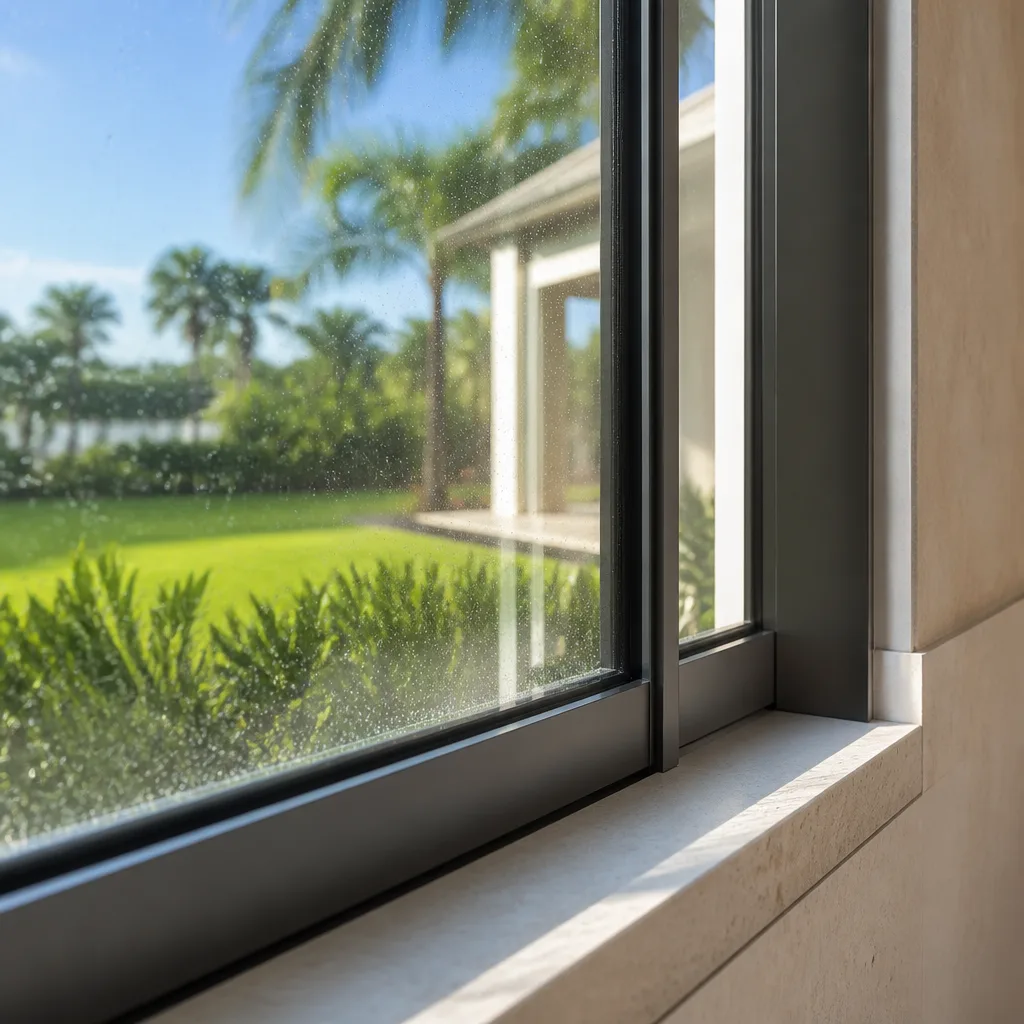
Seasonal window and door care in Hobe Sound means four distinct maintenance phases: pre-hurricane hardware verification and seal inspection from April 15 to May 31; wet-season humidity management and drainage clearing from June through September; post-storm impact-unit documentation within 48 hours of any wind event; and dry-season sealant inspection, hardware lubrication, and professional re-glazing scheduling from November through March. A simple annual log, unit by unit, creates a maintenance record that supports warranty claims, insurance renewals, and resale disclosure.
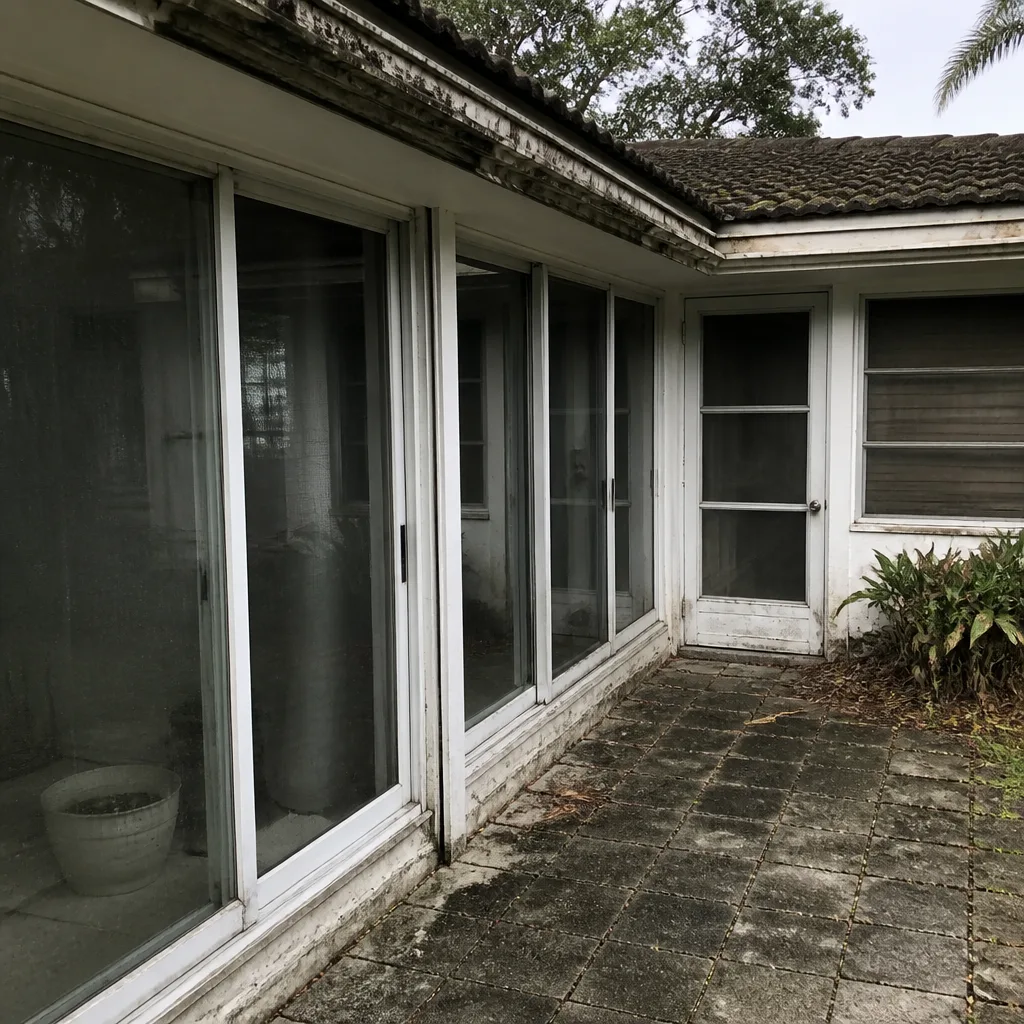 Before
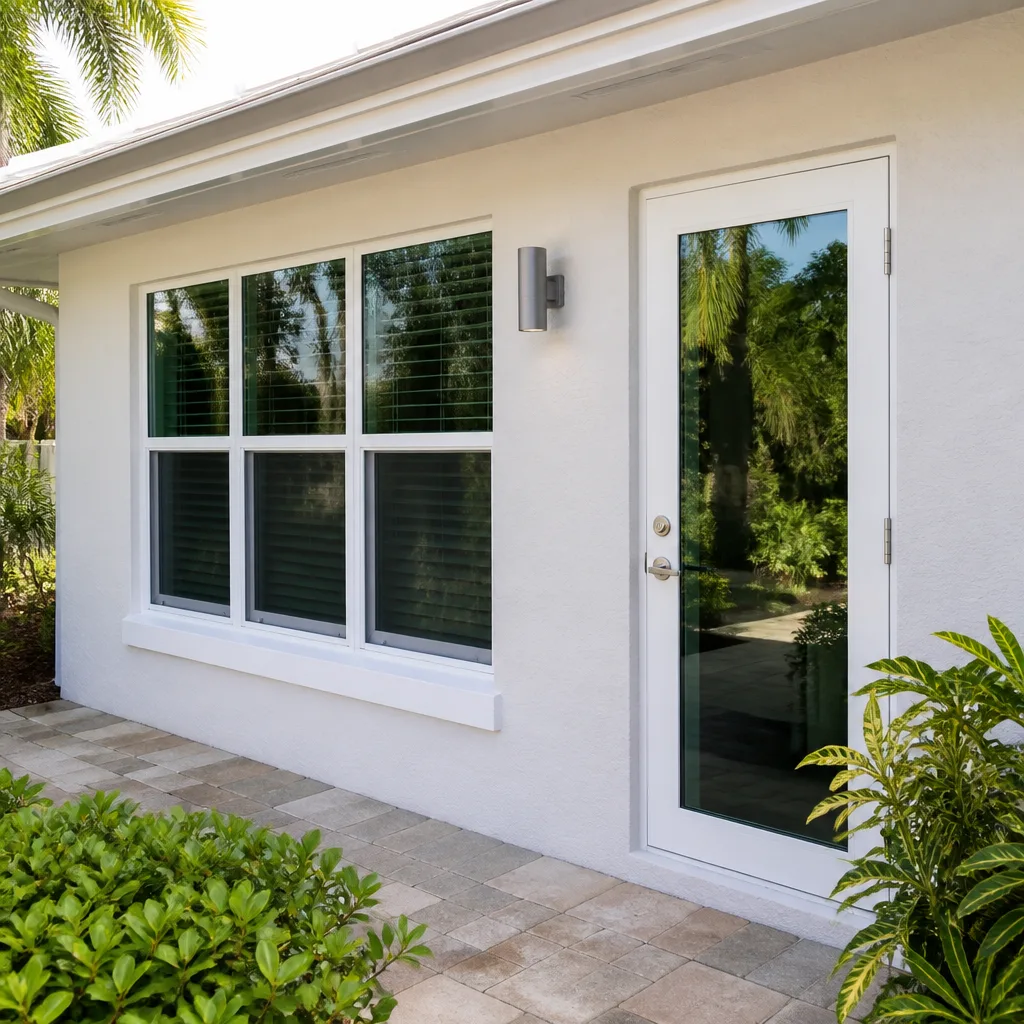 After
AfterTable of Contents
- Pre-Hurricane Season Checklist: April 15 - May 31
- Wet Season Protocol: June - September
- Post-Storm Inspection Procedure
- Dry Season Tasks: November - March
- How to Build a Maintenance Annual Log
- Common Mistakes to Avoid
- When to Call a Professional
- Frequently Asked Questions
Pre-Hurricane Season Checklist: April 15 - May 31
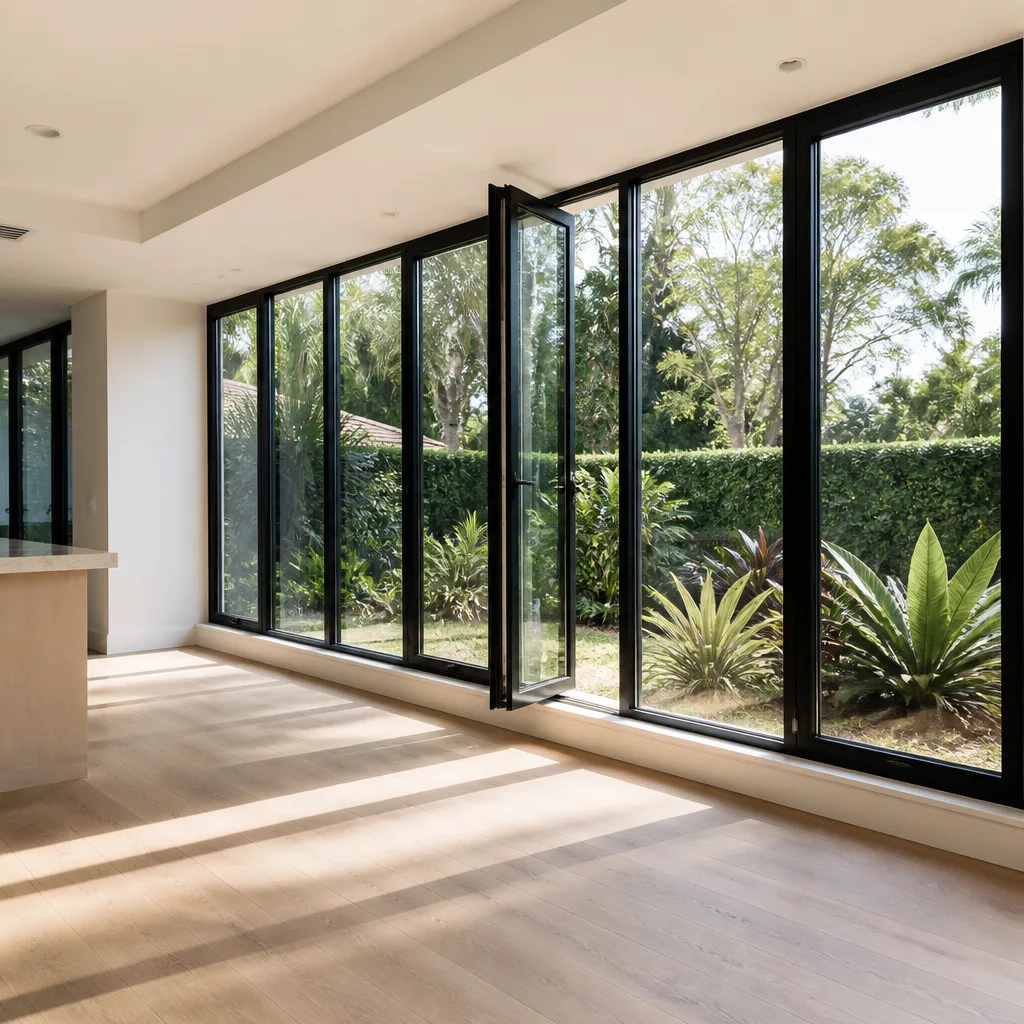
The Atlantic hurricane season opens June 1. In Hobe Sound, that date is not abstract. Homes here sit between the Indian River Lagoon and the Atlantic, with no significant landmass to blunt a storm’s approach. The design pressure ratings on your impact windows and doors, whether they are PGT WinGuard, CGI Estate Collection, or another rated line, assume the hardware is fully engaged at every locking point. We have replaced units after storms where the glass held but the sash blew past a partially engaged lock.
Here is the checklist we recommend completing by Memorial Day:
- Hardware engagement test at every locking point. Open and close each window and door. Engage the lock. Then, with moderate pressure, attempt to pull the sash toward you without disengaging the lock. If there is movement, the lock is not seating fully. On sliding glass doors, test the foot bolt and the anti-lift pin separately. On casements, verify the multi-point arm draws the sash tight to the frame at top, middle, and bottom. Note any lock that feels loose, gritty, or requires excess force. These are pre-failure conditions.
- Perimeter seal inspection. Run a bright flashlight along the interior frame perimeter at dusk, with interior lights off. Daylight visible at any point indicates seal failure. On impact units, this is particularly critical at the meeting rail of double-hungs and the lock stile of sliding doors, where the interlock gasket takes the most compression cycles. Look for glazing bead displacement, which indicates the glass has shifted in its pocket, and for sealant that has pulled away from the frame or substrate.
- Documentation photo set. Photograph each unit from the interior and exterior, close enough to read the manufacturer’s label. Photograph the engaged lock mechanism. Photograph any anomaly you find, with a date stamp. Store these in a folder labeled with the year and “Pre-Season.” If you file an insurance claim after a storm, this set establishes pre-event condition. At Sightline Windows & Doors Hobe Sound, we provide a documented photo record on every visit as standard evidence under the Haven Standard, not as an upsell. We recommend homeowners maintain the same discipline.
- Track and sill cleaning. Remove debris from sliding door tracks and window sills. In Hobe Sound, pine needles and sand accumulate rapidly. A clogged track increases the force required to close a door, which means the lock engages under lateral stress rather than direct compression. This wears the keeper and the lock face prematurely.
- Operable panel function test. Every operable panel should open, close, and lock with one hand, without binding. Binding indicates frame racking, hardware misalignment, or debris in the balance system. Any unit that requires two hands or body weight to operate is a unit that will not seal under pressure.
The cost of addressing findings before June 1 is typically a service call and adjustment, $150-$300. The cost of discovering a failed lock in a storm is the deductible on your homeowner’s policy, plus the interior damage, plus the weeks without a closable opening. In Hobe Sound, where building codes require impact-rated products on all new and replacement installations, the hardware is the weak point more often than the glazing. For a detailed look at project budgeting, see our Windows & Doors Cost Breakdown: The Hobe Sound Homeowner’s Reference for 2026.
Wet Season Protocol: June - September
From June through September, Hobe Sound receives roughly 60 percent of its annual rainfall, much of it in concentrated events associated with tropical waves and afternoon convection. The humidity does not drop at night the way it does in drier climates. This sustained moisture load creates specific conditions at the window and door frame level that homeowners in other regions do not experience.
Interior humidity at the frame level. Impact-rated units are engineered to stop wind-borne debris, not to breathe. The same sealed construction that prevents pressure equalization during a storm can trap interior moisture against the frame if the home’s HVAC system is not managing latent load. We see this most often in Hobe Sound homes with mini-split systems, where dehumidification is less aggressive than central air. If you observe condensation on the interior frame surface, not the glass, check your indoor relative humidity first. Target 50-55 percent in summer. Condensation on the frame indicates the dew point is being reached at a surface that should stay above it.
Condensation patterns: failed seal versus normal differential. Condensation between the panes of an insulated glass unit (IGU) means the seal has failed and the desiccant is saturated. This is a replaceable condition, not a repairable one. The IGU must be replaced. Condensation on the interior surface of the interior pane, by contrast, is typically a temperature differential issue, solvable with humidity management. Condensation on the exterior surface of the exterior pane, usually in early morning, is a sign the low-emissivity coating is performing correctly, reflecting interior heat back inside. Many Hobe Sound homeowners mistake exterior condensation for a problem; it is evidence the unit is working.
Drainage maintenance under sustained rain. Every window and door frame has a drainage system: weep holes, sill dams, and sometimes subsill channels. In Hobe Sound’s sandy soil environment, these clog with particulate and with insect debris. A weep hole that cannot drain creates a reservoir in the sill. The water has three paths: outward (blocked), inward (into the wall cavity), or through the frame material itself (absorption and rot in wood-clad products). Monthly during wet season, verify weep holes are open with a piece of stiff wire or a weep hole tool. Do not seal them with caulk, a mistake we see repeatedly in homes where a previous owner misunderstood their function.
Hardware corrosion check. Salt air accelerates corrosion on non-stainless hardware. Inspect lock faces, hinges, and rollers for rust bloom. A light corrosion inhibitor, applied with a cotton swab, extends hardware life. Do not use WD-40 on window hardware; it attracts dust and hardens into a binding paste. Use a product specified for marine environments.
Post-Storm Inspection Procedure
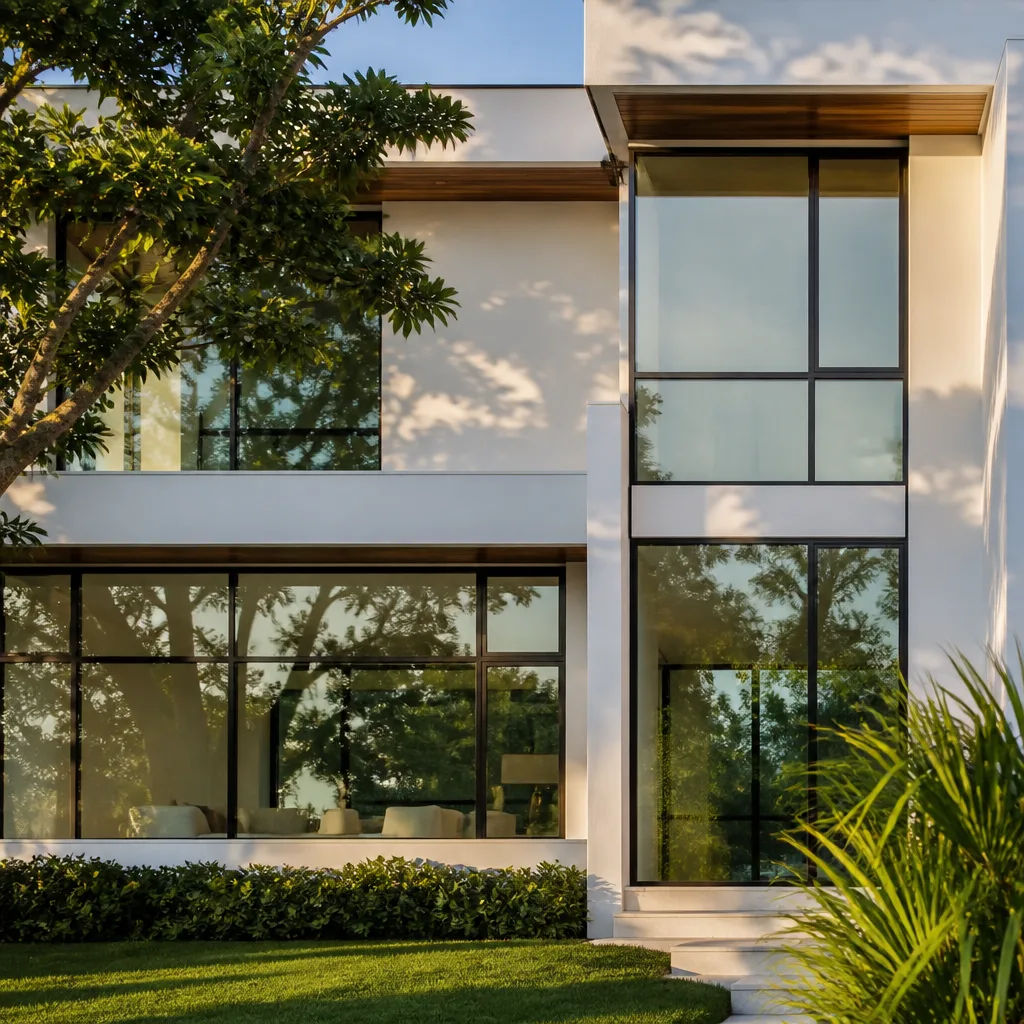
After any named storm, tropical storm, or severe thunderstorm with sustained winds above 50 mph, impact-rated windows and doors should be inspected within 48 hours. This is not only a maintenance practice; it is a documentation practice that supports insurance claims if damage is found.
We recommend this procedure, which mirrors the documentation standard we apply on every Sightline Windows & Doors Hobe Sound installation under the Haven Standard:
- Exterior visual scan from ground level. Walk the perimeter and photograph each unit from a consistent distance, enough to show the full frame and adjacent wall surface. Look for impact marks, frame displacement, sealant separation, and water staining on the exterior wall below the unit. Do not attempt to access second-story units without proper ladder safety; falls from extension ladders are a leading cause of homeowner injury after storms.
- Interior function test. Open, close, and lock each operable unit. Note any binding, noise, or resistance that was not present before the storm. Wind pressure can rack frames slightly, enough to misalign hardware without visible damage.
- Seal integrity verification. Run the flashlight test described in the pre-season section. Storm pressure can compress seals permanently, creating gaps that were not visible before. Check specifically at the corners of the frame, where sealant is most stressed.
- Document everything with date stamps. Create a folder named with the storm identifier and date. Include your photos, notes on any functional change, and a simple table: unit location, pre-storm condition (from your annual log), post-storm observation, action taken or needed. This document is admissible evidence in insurance proceedings and establishes a maintenance history that supports warranty claims.
- Contact your insurer if damage is found. Do not delay. Most policies have reporting windows. Provide your documentation photo set and your annual log entry for the unit.
In Hobe Sound, where homes along Gomez Avenue and in the Zeus Park area sit at minimal elevation above the lagoon, storm surge and wind-driven rain create compound loading on windows and doors. The units that perform best are those with documented maintenance histories and pre-storm condition records.
Dry Season Tasks: November - March
Hobe Sound’s dry season brings lower humidity, consistent sunshine, and temperatures that rarely stress HVAC systems. This is the optimal window for maintenance tasks that require dry conditions and for scheduling professional work that must complete before the next wet season.
UV-related sealant inspection timing. Florida’s UV load is highest in winter, when the sun angle is lower and strikes vertical surfaces more directly. Inspect exterior sealant beads for chalking, cracking, and adhesion loss. The sealant at the frame-to-wall interface is a maintenance item, not a permanent installation. In our experience, quality polyurethane sealants last 7-10 years in Hobe Sound’s exposure; lesser products fail in 3-5. November is the right month to identify failing sealant and schedule replacement before the spring rains begin. Water intrusion through failed sealant is the leading cause of frame rot we encounter in homes built between 2000 and 2015.
Hardware lubrication in lower-humidity conditions. Dry air can cause lubricants to thicken and attract less airborne moisture, which sounds positive but can leave hardware feeling stiff. Apply a silicone-based lubricant to hinges, rollers, and lock mechanisms. Cycle each component through its full range of motion after application. Wipe excess; accumulated lubricant traps grit.
Professional re-glazing assessment. Re-glazing, the replacement of glass in an existing frame, requires dry conditions for sealant curing and is best scheduled January through March. If your annual log shows IGU seal failures, impact damage, or glazing bead displacement, schedule assessment now. Window replacement in Hobe Sound or re-glazing should complete before April 15 to allow full cure time before hurricane season hardware verification begins.
Screen and accessory maintenance. Remove and clean window screens. Inspect spline condition; dried spline releases mesh and creates gaps. In Hobe Sound, where no-see-ums are a persistent nuisance, screen integrity is functional, not cosmetic. Check retractable screen cassettes for smooth operation and lubricate tracks.
This is also the season to review your annual log and schedule any professional work identified. Window installation in Hobe Sound and door projects booked in January or February typically complete with less scheduling friction than those initiated after Easter, when the pre-hurricane season rush begins.
How to Build a Maintenance Annual Log

A maintenance log transforms scattered observations into a searchable, transferable record. In Hobe Sound’s real estate market, where disclosure requirements are specific and buyers increasingly request maintenance documentation, this record has tangible value. It also supports warranty claims; most manufacturer warranties, including those from PGT and CGI, require evidence of proper maintenance if a claim is disputed.
The log need not be complex. A simple spreadsheet or bound notebook, maintained consistently, outperforms an elaborate system used once. Here is the structure we recommend, based on the documentation standard we apply to every Sightline Windows & Doors Hobe Sound job under Haven Clause 4 (Evidence on Every Job):
- Unit ID: Assign each window and door a unique identifier. Room name plus cardinal direction works: “Master BR East,” “Kitchen Slider South.” Apply a small label to the frame if necessary.
- Task: Describe the maintenance performed: “Hardware engagement test,” “Weep hole clearing,” “Sealant inspection,” “Post-Storm Ida function test.”
- Date: Specific date, not month or season.
- Findings: Factual description. “Lock engages fully, no movement under test pressure.” “Weep hole clear, drainage confirmed with 4 oz water pour.” “Sealant cracked at upper left corner, 3 inches, scheduling repair.”
- Photos: File name or reference linking to your digital photo storage. Include the photo date in the filename: 2025-05-15_MasterBR_East_Hardware.jpg.
- Action taken or scheduled: “None required.” “Service call scheduled 5/22 with Sightline Windows & Doors Hobe Sound.” “DIY weep hole clearing completed.”
Store digital copies in cloud storage with automatic backup. A physical binder, printed annually, serves as backup and as a document you can hand to a buyer, insurer, or warranty administrator. The 18,000+ installations we have completed since 2012 each generated a similar record; the homeowners who maintain equivalent discipline for their ongoing maintenance see fewer surprises and faster resolution when issues arise.
For warranty purposes, note that most impact product warranties from manufacturers like PGT and CGI require the original installation to have been performed by an authorized dealer, with documentation. If you are uncertain whether your units were installed under authorized dealer status, the manufacturer’s customer service line can verify by address. Door installation in Hobe Sound and window work performed by authorized dealers carries this documentation as standard; work by non-authorized installers may not.
Common Mistakes to Avoid
- Sealing weep holes with caulk or paint. Weep holes are intentional drainage paths, not manufacturing defects. Sealing them traps water in the frame and voids most manufacturer warranties. We see this most often in Hobe Sound homes where a well-meaning painter or handyman misunderstood the design.
- Testing impact glass by striking it. Impact-rated glass is designed to resist specific missile impacts at specific velocities. Striking it with a hammer or throwing an object at it to “test” it creates damage that is not covered by warranty and may compromise the lamination without visible cracking.
- Ignoring binding hardware until it fails completely. A window or door that requires two hands to operate is already misaligned. Continued use wears the keeper, the lock face, and the frame. The repair escalates from adjustment to hardware replacement to frame repair.
- Cleaning with ammonia-based products on low-E coatings. Many Hobe Sound homeowners use the same glass cleaner for all surfaces. Ammonia degrades low-emissivity coatings over time, reducing energy performance. Use a cleaner specified for coated glass, or distilled water with a drop of dish soap.
- Waiting until after a storm to document condition. Insurance adjusters and warranty administrators require pre-event condition evidence. The photo you take after the storm proves nothing about what existed before it. The pre-season documentation photo set, completed by May 31, is the critical record.
- Scheduling major replacement work after April 15. Professional installation and re-glazing require lead time. Projects initiated in May compete with the pre-hurricane season rush and may not complete before June 1. January through March is the optimal planning window for work you intend to complete before the next season.
- Assuming all impact products have identical maintenance needs. A PGT WinGuard vinyl unit and a CGI aluminum unit have different frame materials, different hardware systems, and different sealant compatibility requirements. Consult the manufacturer’s maintenance document for your specific product line; generic advice may not apply.
When to Call a Professional
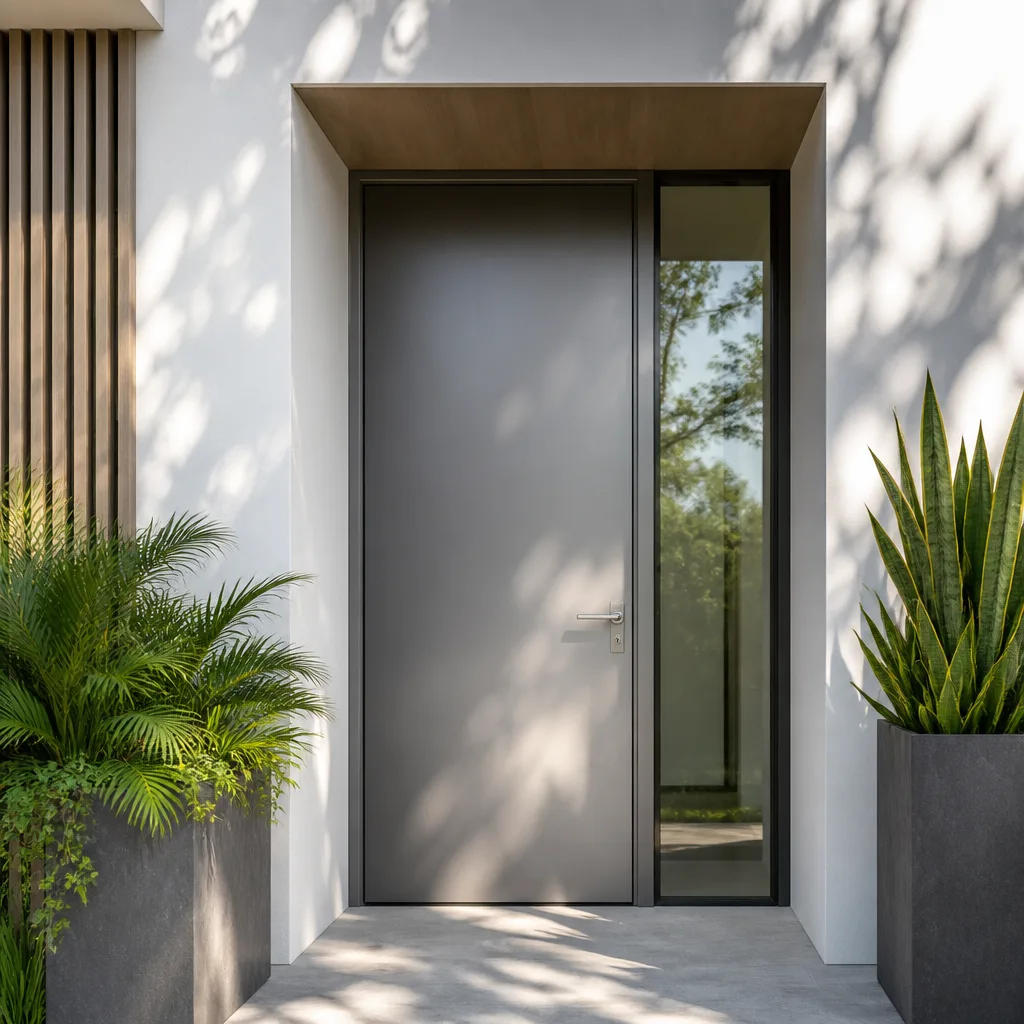
Some conditions require trained assessment and should not be addressed with homeowner tools or internet guidance. Call a professional if you find: glass fracture or delamination in any impact-rated unit; frame racking or separation from the rough opening; water staining on interior drywall that tracks to a window or door perimeter; hardware that cannot be adjusted to full engagement; or any unit that fails to open, close, or lock after a storm. These conditions involve structural, waterproofing, or safety systems that require documented repair.
Sightline Windows & Doors Hobe Sound offers free estimates in Hobe Sound. Our measured survey produces a written scope and price before any work begins, under Haven Clause 1: Have It in Writing. Every technician is background-checked, uniformed, and identified by license number before arrival, per Haven Clause 3: Verified Crews. Every completed job leaves a documented photo record and is covered by our 365-Day Done Right Promise. Call (772) 362-5967 to schedule your free estimate.
Frequently Asked Questions
A professional maintenance visit for a typical Hobe Sound home with 12-15 openings ranges from $200-$400, depending on access conditions and whether hardware adjustment or sealant touch-up is required. Full re-glazing of a failed IGU runs $300-$600 per unit, including removal, disposal, and new glazing with documented photo record. Call (772) 362-5967 for an exact quote on your specific openings; estimates are free.
No. At Sightline Windows & Doors Hobe Sound, the written quote from our measured survey is the final invoice. Haven Clause 1 and Haven Clause 5 (No Surprises) govern every engagement. The price does not change because we found something unexpected; if additional work is needed, we document it, quote it separately, and obtain written approval before proceeding.
Routine maintenance, hardware adjustment, and sealant repair do not require permits in Martin County. Replacement of impact-rated units, modification of opening dimensions, or conversion from non-impact to impact-rated products does require permitting and inspection. See Windows & Doors Permits, Codes & Inspections in FL: What You Need to Know for full details. We pull all permits for installation work and schedule inspections as required. The permit record becomes part of your property’s official documentation.
Impact rating applies to the specific unit as installed, not indefinitely. After a significant impact event, the unit should be inspected for glass delamination, frame deformation, and hardware function. If the glass is cracked but intact, the interlayer may still be holding, but the unit’s ability to resist a subsequent impact is compromised. We recommend professional assessment after any event where you suspect impact occurred. Document the condition first; then call for evaluation.
January through March is optimal. Dry conditions allow proper sealant curing, scheduling is more flexible, and the work completes before the pre-hurricane season rush. April installations are feasible but require confirmed completion dates before May 15. We do not recommend initiating major replacement projects in May or later; the risk of incomplete work before storm season is real, and no contractor can guarantee against weather delays.
Quality polyurethane sealant, properly applied to prepared substrates, lasts 7-10 years in Hobe Sound’s UV and salt-air exposure. Lesser products, or proper products applied to unprepared surfaces, fail in 3-5 years. The failure mode is typically adhesion loss at the substrate interface, not cracking in the bead body. Annual inspection in November, when UV exposure is most direct on vertical surfaces, catches this before water intrusion begins.
The Bottom Line
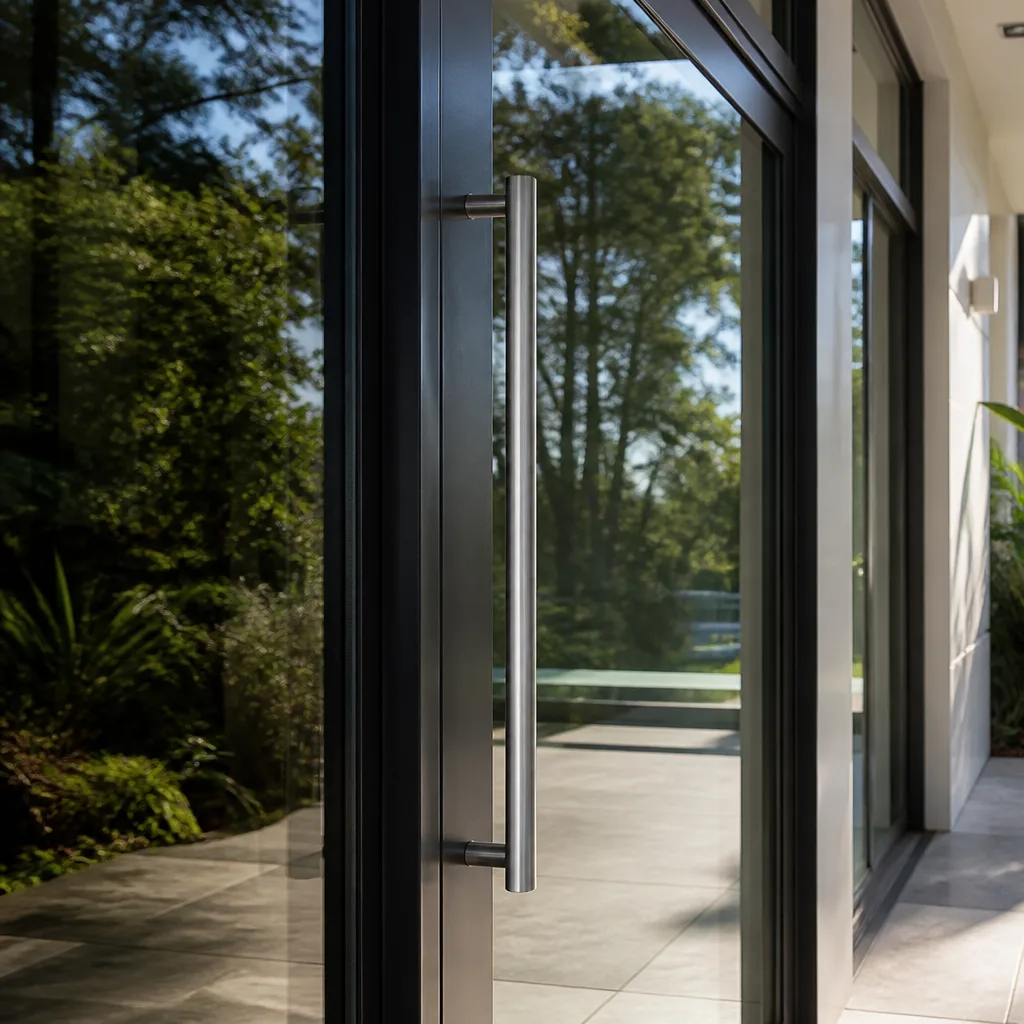
Hobe Sound’s climate demands a maintenance calendar built around its actual seasons: dry, wet, and the critical transition into hurricane readiness. The homeowner who verifies hardware engagement by May 31, manages humidity at the frame level through summer, documents condition after every storm, and inspects sealant during winter’s UV peak will extend unit life, protect warranty coverage, and build a transferable record that adds value at resale. Browse our more guides & resources for additional maintenance strategies. The tools required are minimal: a flashlight, a camera, a stiff wire, and the discipline to log what you find. The cost of this discipline is measured in hours. The cost of neglect is measured in thousands.
Written by Sonia Raman, Owner at Sightline Windows & Doors Hobe Sound, serving Hobe Sound since 2012.
Six Reasons Homeowners Choose Sightline Windows & Doors Hobe Sound
Impact systems engineered to design pressures up to +/-100, matched to your wind zone - your openings hold when the storm arrives.
Low-E insulated impact glass from our manufacturer lines commonly cuts monthly cooling bills 20-30%.
Laminated impact glass shuts out up to 40% of outside noise - traffic, neighbors, weather.
Monitoring services run $30-90 a month. Laminated impact glass resists forced entry around the clock, with no subscription.
Florida homeowners average around 25% savings on the windstorm portion of their policy after protecting every opening - some homes qualify for more.
A full impact package upgrades curb appeal, buyer confidence and appraised value in one project.
Other Sightline Windows & Doors Hobe Sound Services