Last updated September 24, 2026
New windows and doors improve comfort, cut energy bills and add long-term value to your home. Sightline Windows & Doors Hobe Sound pairs proven product lines with our own installing crews for lasting performance - and a price we put in writing.
1. Choose your installer
The unit is half the job - the install is the other half. Our own background-checked crews measure, set, seal and insulate every opening, and they know the lines we quote inside and out because they install them every week.
2. Select the right products
Compare styles, materials and glass packages side by side until the fit is right for your rooms, your budget and your goals. The product-line comparison below is the place to start.
3. Prepare your home for install
Before install day we walk you through a short checklist - furniture pulled back, treatments down, a clear path to each opening - so install day is watch-it-happen, not scramble.
Compare the Lines We Quote
Every project is priced on the same lines, side by side - the price indicators below are relative, and your consultant shows exact numbers on your actual openings.
PGTThe line Florida homeowners arrive naming - the most Miami-Dade certifications in the industry$$$
- More Miami-Dade NOA certifications than any other line we quote
- WinGuard, EnergyVue and ClassicVue Max systems built for every wind zone
- 99% on-time delivery keeps your install date on the calendar
CGIThe heavyweight impact line$$$$$
- Large-missile impact ratings for the strictest wind zones
- Architectural-grade aluminum with commercial-depth frames
- The line we quote when protection is the whole point
CWSThe Florida value pick$$
- Vinyl systems built in Florida for Florida codes
- Strong energy packages at the friendliest price point
- The smart start for whole-home replacements on a budget
ESWSlim lines, big glass$$$$
- Narrow-sightline aluminum for modern elevations
- Oversized openings and floor-to-ceiling glass
- Impact-rated without the bunker look
ECOThe aluminum impact workhorse$$$
- Miami-built aluminum impact systems
- A strong price-to-protection ratio for coastal homes
- Proven inventory lines with short lead times
DIY vs Professional Windows & Doors: The Hobe Sound Homeowner’s Decision Guide
A homeowner in Hobe Sound who installs their own impact windows without pulling a permit has not saved the $200-$400 permit fee. They have installed an unverified weather barrier that their homeowner’s insurance carrier can cite as grounds for claim denial after a named storm. The question is not whether you are handy enough to set a window into a rough opening. It is whether you are prepared to become the contractor of record under Florida law, to certify the installation to the Florida Building Code’s Wind-Borne Debris provisions, and to defend that work in a claim dispute with no third-party documentation to support you. In this guide, we will walk through what Florida Statute 489 actually permits a homeowner to self-perform, what Martin County’s amended code requires for impact-rated units, and where the real costs and risks sit in the DIY column. For more on how to hire the right professional, see our step-by-step resource.
Quick Answer
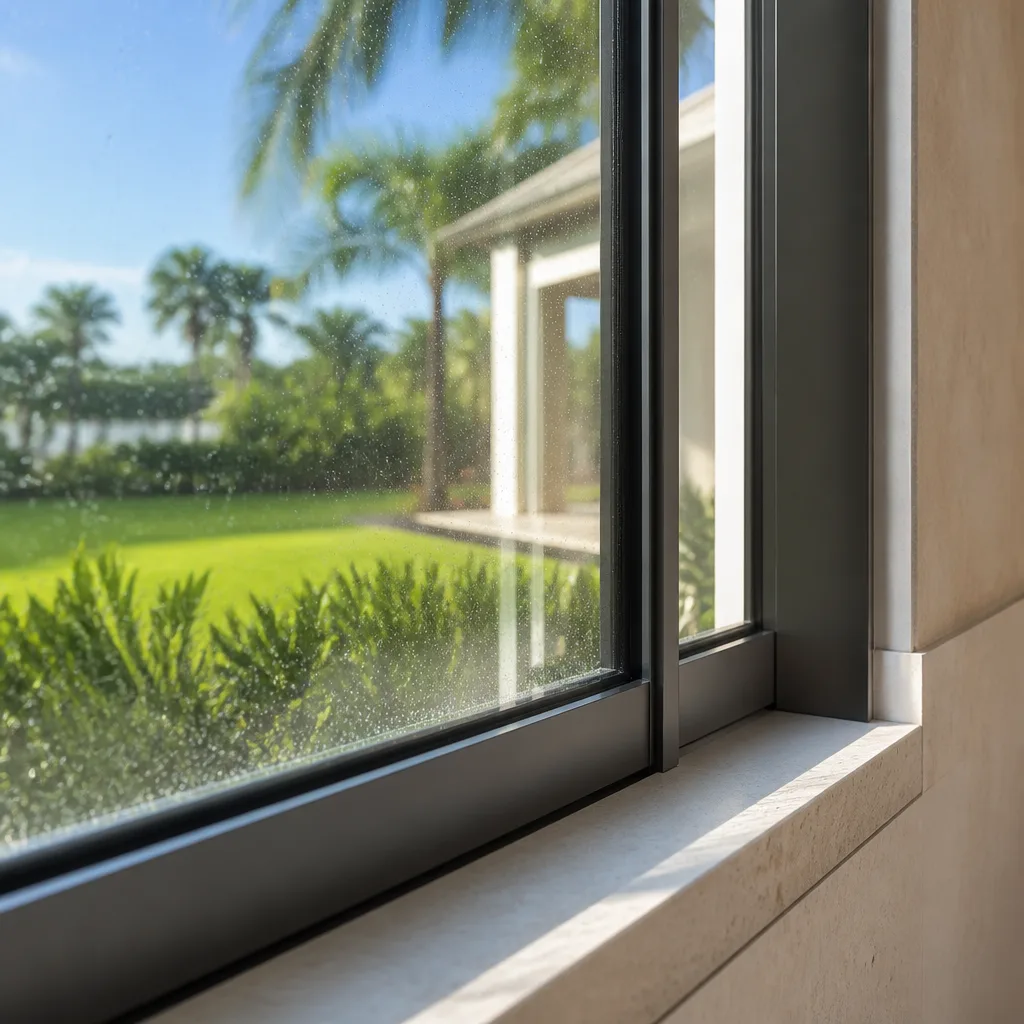
DIY window and door installation in Hobe Sound is legally permissible for non-structural work on existing permitted units, but it becomes a permit-requiring, contractor-licensed activity the moment you alter the weather barrier or install impact-rated products in the Wind-Borne Debris Region. For most Hobe Sound homes, professional installation is not a convenience upgrade; it is the only path to a documented, insurable, code-compliant installation that preserves manufacturer certification and resale value.
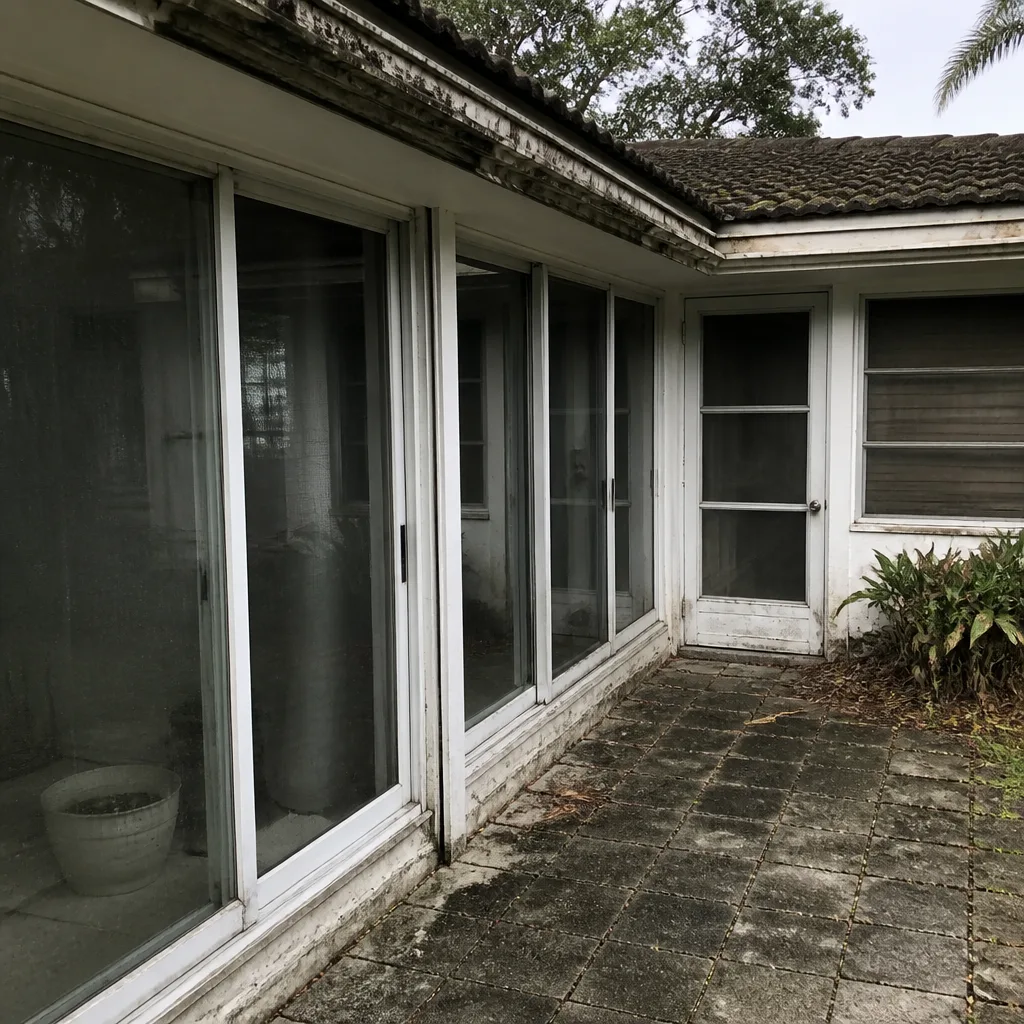 Before
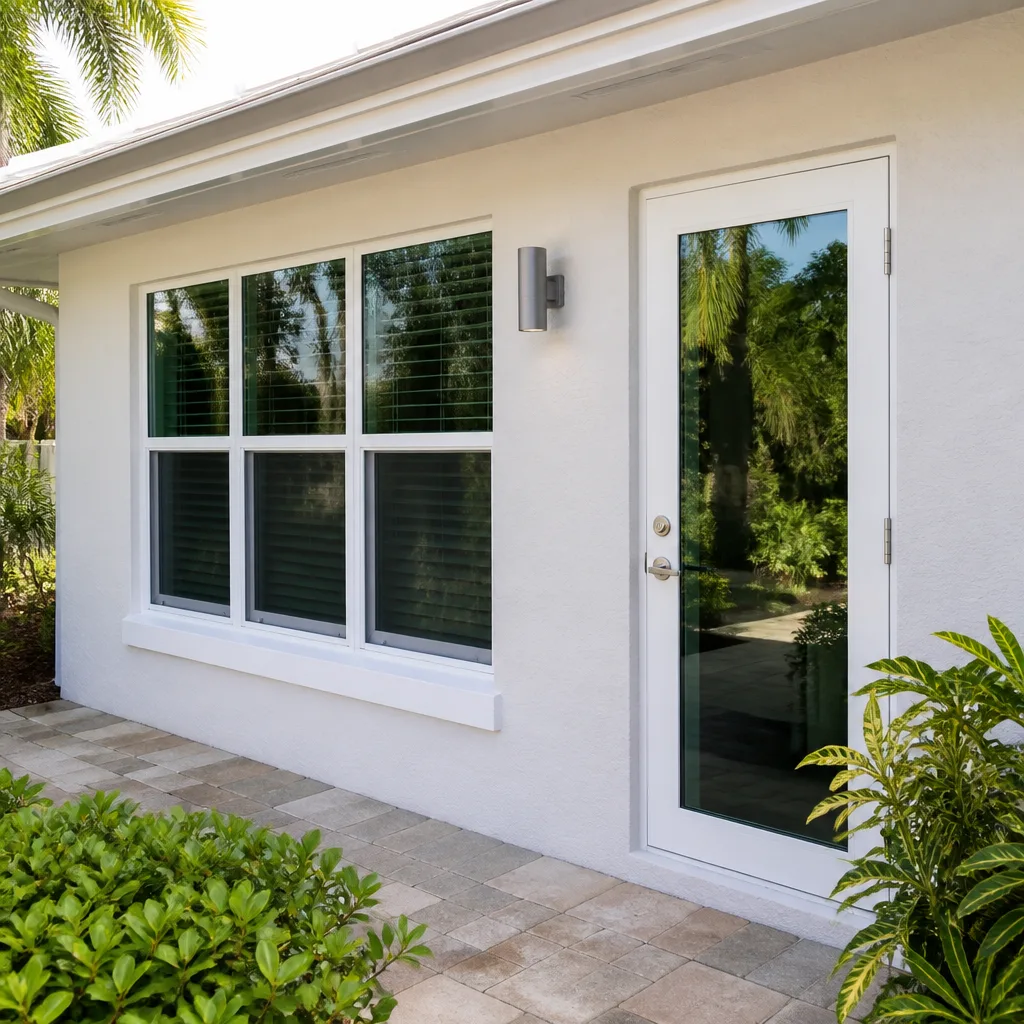 After
AfterTable of Contents
- The Legal Distinction: What Florida Statute 489 Actually Allows
- Why Impact-Rated Certification Depends on Installation Method
- Three Scenarios Where DIY Is Legally Permissible in Hobe Sound
- Honest Cost Comparison: DIY Material-Only vs. Professional All-In
- The Post-Install Documentation Gap: What You Lose and Who Requires It
- Common Mistakes to Avoid
- When to Call a Professional
- Frequently Asked Questions
- The Bottom Line
The Legal Distinction: What Florida Statute 489 Actually Allows
Florida Statute 489.103(7) contains the exemption that every homeowner contractor references: an owner of property may act as their own contractor and provide direct, onsite supervision of all work, provided the property is for their own use and not intended for sale or lease within one year. This is real. It is also narrower than most homeowners assume.
The exemption applies to construction, repair, remodeling, or improvement. It does not exempt the owner from any code requirement, permit requirement, or inspection requirement. It does not exempt the owner from liability. And critically, it does not apply to work that requires a licensed specialty contractor when that work is performed by someone other than the owner themselves. If you hire your brother-in-law to help set a window, and he is not licensed, you have violated the statute.
Martin County’s local amendment to the Florida Building Code adds a layer specific to our coastal exposure. The county sits within the Wind-Borne Debris Region as defined by FBC R301.2.1.2. Any replacement of windows or exterior doors in this region must comply with the High-Velocity Hurricane Zone provisions or the Wind-Borne Debris provisions, depending on the specific structure’s exposure and the product’s rated design pressure. The permit application requires a Florida-licensed contractor’s signature, or the owner’s affidavit that they are acting as their own contractor and accept all associated liability.
Here is what that affidavit means in practice. When you sign as owner-contractor, you become the responsible party for code compliance. If the installation fails inspection, you pay for the re-inspection. If the installation fails in a storm, your insurance carrier will examine whether the work met code. If it did not, the carrier has grounds to deny the claim, and you have no contractor’s general liability policy to pursue. The $200-$400 you saved on permit fees is now the gap between a covered loss and a denied claim.
We have reviewed competitor quotes for Hobe Sound homeowners who started as owner-contractors and called us after a failed inspection. The most common failure points are improper flashing integration at the head, missing or incorrect anchor patterns at the buck, and failure to maintain the continuous air barrier. Each of these is a code violation. Each requires removal and reinstallation. The cost to correct typically runs $1,800-$3,400 per opening, which erases any material savings from the DIY approach.
Why Impact-Rated Certification Depends on Installation Method
An impact-rated window or door is not a standalone product. It is a system: the frame, the glazing, the anchorage, the buck attachment, the flashing, and the sealant joint each participate in the assembly’s rated performance. The design pressure (DP) rating, the large missile impact certification, and the cyclic pressure testing all assume installation according to the manufacturer’s approved method. Change the method, and you have changed the assembly.
Consider what the installation sequence actually involves for a typical impact-rated unit in Hobe Sound:
- Opening preparation: The rough opening must be square within 1/8 inch per foot, with structural backing at all fastening points. The existing sill must be evaluated for rot or insect damage, common in our humid coastal climate.
- Anchor schedule execution: The manufacturer specifies fastener type, diameter, embedment depth, and spacing. For a typical PGT or CGI impact unit in a masonry opening, this means 3/8-inch diameter stainless steel anchors at 12 inches on center, with a minimum 2-inch embedment into structural masonry or 1.5 inches into wood framing with a structural evaluation. Miss the spacing, use the wrong diameter, or fail to hit structural backing, and the assembly no longer meets its tested anchor pattern.
- Buck attachment and shimming: The frame must be held plumb, level, and square during fastening. Shims must be non-compressible and placed at anchor points. The gap between frame and rough opening must be consistent to allow proper backer rod and sealant application.
- Flashing sequence: The head flashing must extend to the weather-resistant barrier and integrate with the wall’s drainage plane. In Hobe Sound’s driving rain exposure, this is not optional. The sill pan must be sloped to drain outward. The jamb flashing must overlap the sill pan in shingle fashion.
- Sealant joint design: The perimeter sealant must be tooled to the manufacturer’s specified width-to-depth ratio, typically 2:1, with a backer rod to prevent three-sided adhesion. The sealant must be compatible with the frame material and the wall substrate.
- Operational verification: Sashes must operate freely, locks must engage fully, and weatherstripping must compress uniformly. On impact-rated units, the interlock between sash and frame is part of the pressure rating.
Each of these steps is documented in the manufacturer’s installation instructions, which are referenced in the Florida Product Approval or Miami-Dade Notice of Acceptance. The product approval is conditional on installation per these instructions. A self-installed unit that deviates from the approved method is not a non-conforming installation. It is an unapproved assembly. Its impact certification is void.
This matters for insurance. Your policy likely contains a provision requiring code-compliant construction. An unapproved assembly is not code-compliant. After a storm, the adjuster can request the permit record, the inspection sign-off, and the installation documentation. A professional installation from Window Installation in Hobe Sound produces these documents as standard. A DIY installation produces none.
We have seen this in Hobe Sound’s older neighborhoods, particularly in the areas near the Intracoastal where 1970s and 1980s construction is common. Homeowners replace original single-pane units with impact-rated products, self-install without permits, and believe they are protected. Their windows may survive a storm. But if water intrusion occurs at a failed flashing detail, or if the anchor pattern was incorrect and the frame deflects under pressure, the insurance response is not a product defect claim. It is a construction defect claim, with the homeowner as the responsible contractor.
Three Scenarios Where DIY Is Legally Permissible in Hobe Sound
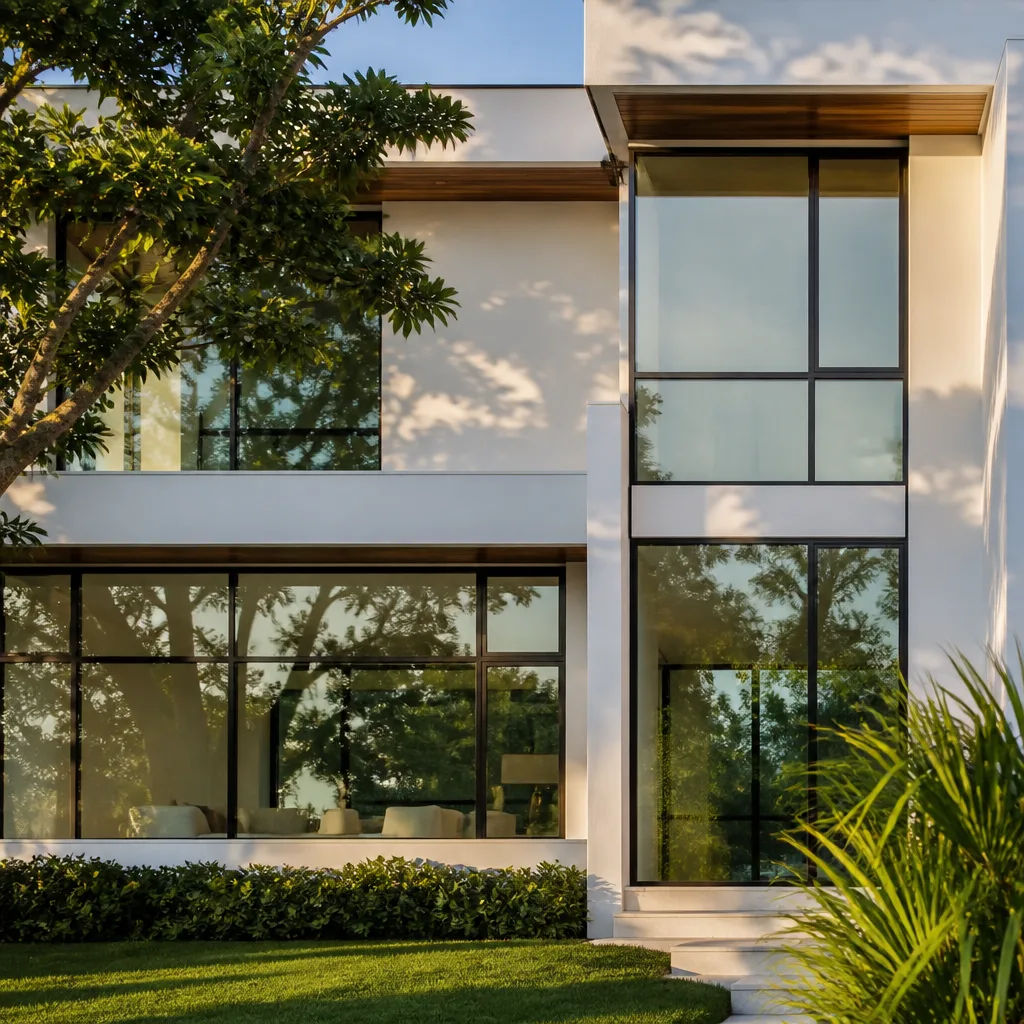
There are narrow circumstances where a Hobe Sound homeowner can perform window and door work without a permit, without a contractor’s license, and without assuming contractor liability. These are specific, limited, and worth understanding precisely.
Scenario 1: Non-Impact Interior Storm Panel Attachment
Interior storm panels are not structural. They do not alter the weather barrier, the opening structure, or the egress path. Attachment is typically via magnetic strips or compression fit. No permit is required. No contractor license is required. The product is not impact-rated, so there is no certification to preserve. This is genuine DIY territory, and the risk profile is limited to aesthetic fit and operational interference with the primary window.
Scenario 2: Screen Replacement
Replacement of insect screening in an existing frame is maintenance, not construction. The frame remains in place. The weather barrier is unchanged. No structural element is modified. A homeowner can purchase screen material and spline, remove the old screen, and install the new. The only caution is for impact-rated units where the screen may be part of the pressure-rated assembly; in those cases, the manufacturer specifies screen mesh and retention method, and deviation risks the assembly rating. See our Seasonal Windows & Doors Care for Hobe Sound guide for maintenance tasks you can safely handle year-round. For standard insect screens on non-impact units, this is straightforward DIY work.
Scenario 3: Hardware Swap on an Existing Permitted Unit
Replacement of a lock, handle, or hinge on a window or door that was previously installed under permit is generally permissible without a new permit, provided the hardware is identical or equivalent and does not alter the unit’s operation or egress compliance. This is where homeowners most commonly overreach. A “better” lock that requires frame modification, a handle that projects into the required egress clear width, or a hinge replacement on a fire-rated door all cross into permit territory. The safe boundary is direct replacement of like hardware on a like-for-like basis, with no modification to the frame, sash, or surrounding structure.
Outside these three scenarios, window and door work in Hobe Sound’s Wind-Borne Debris Region triggers permit requirements, contractor licensing requirements, or both. The homeowner exemption under Statute 489.103(7) still requires permits and inspections. It does not create a permit-free path. It creates a liability-assumption path.
Honest Cost Comparison: DIY Material-Only vs. Professional All-In
The most common error in DIY cost analysis is comparing retail material cost to professional installed cost without accounting for the full cost stack in each column. Here is an honest breakdown for a typical Hobe Sound home replacing four standard-size single-hung impact-rated windows with mid-tier vinyl frames.
DIY Material-Only Cost
| Item | Estimated Cost |
|---|---|
| 4 impact-rated vinyl single-hung windows (PGT WinGuard or equivalent) | $2,800-$3,600 |
| Fasteners, anchors, shims, backer rod, sealant | $180-$260 |
| Flashing tape, sill pan, weather-resistant barrier patches | $120-$200 |
| Tool rental or purchase (concrete drill, level, etc.) | $150-$400 |
| Permit fee (Martin County, owner-contractor) | $200-$400 |
| Dump fee for old units | $80-$150 |
| DIY Subtotal | $3,530-$5,010 |
Professional All-In Cost (Sightline Windows & Doors Hobe Sound)
| Item | Estimated Cost |
|---|---|
| 4 impact-rated vinyl single-hung windows, installed | $4,200-$5,800 |
| Permit, inspection, and code compliance documentation | Included |
| Removal and disposal of existing units | Included |
| Written measured survey and scope document | Included |
| Documented photo record of installation | Included |
| 365-Day Done Right Promise (Haven Standard) | Included |
| Manufacturer warranty preserved through certified installation | Included |
| Professional Subtotal | $4,200-$5,800 |
The Risk Items: Assigned Dollar Values
The gap between DIY and professional is not the material markup. It is the risk transfer. Here are the costs that do not appear in the DIY column until they do:
- Failed inspection and reinstallation: $1,800-$3,400 per opening if anchor pattern, flashing, or squareness fails inspection. In our experience, this occurs in roughly 30% of owner-contractor installations we are called to correct.
- Insurance claim denial: Unquantifiable until it happens, but the average wind-damage claim in Martin County after Hurricane Irma was $18,400. A denied claim based on unpermitted or non-compliant installation transfers this entire exposure to the homeowner.
- Failed resale inspection: $2,500-$4,500 to permit retroactively and bring to compliance when a buyer’s inspection reveals unpermitted work. This is increasingly common in Hobe Sound’s appreciating market, where buyers and their insurers scrutinize permit history.
- Manufacturer warranty voidance: Full replacement value of the unit if a defect claim is denied due to non-certified installation. On a $700 impact unit, this is the full $700 plus reinstallation cost.
The honest math: DIY saves $670-$1,790 in direct cost if everything goes correctly and no risk event occurs. It adds $1,800-$22,900 in contingent liability if any risk event occurs. The professional installation transfers these risks to the contractor’s license, insurance, and bond.
The Post-Install Documentation Gap: What You Lose and Who Requires It
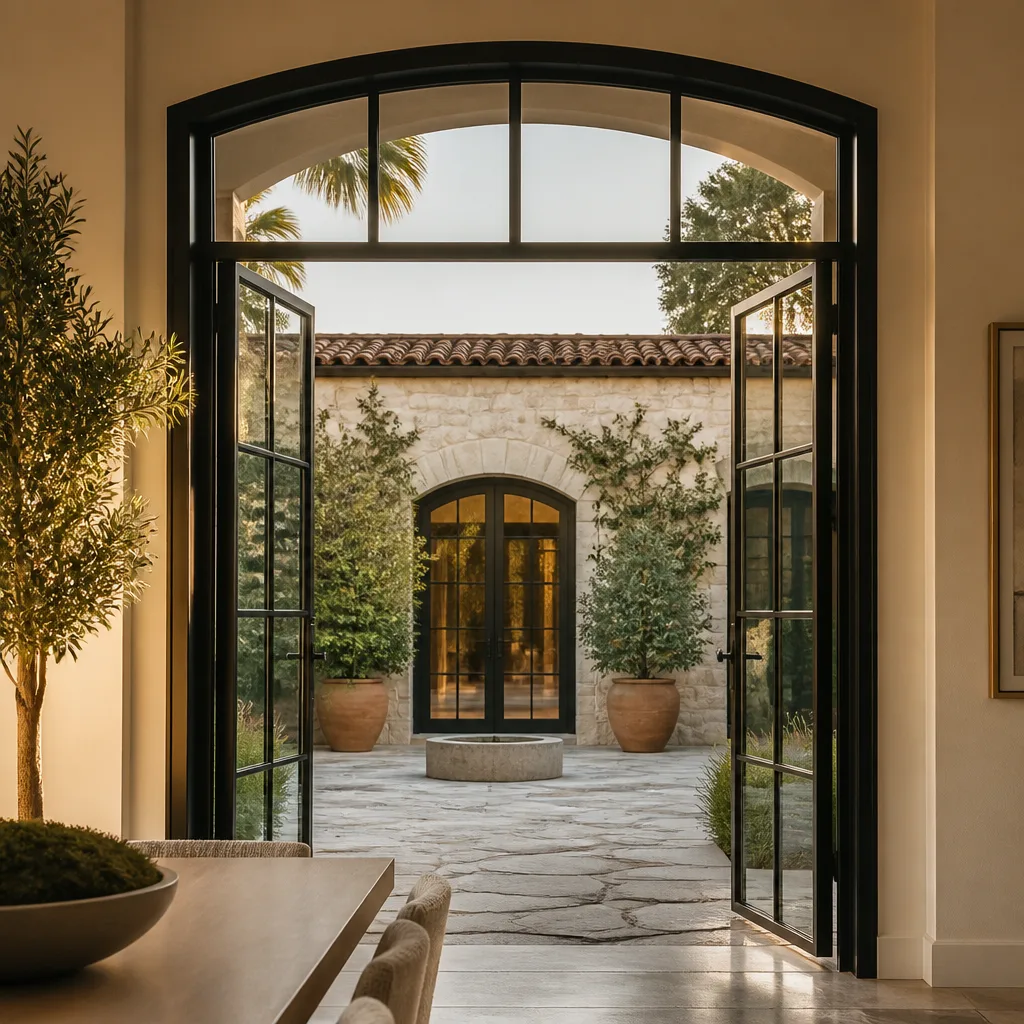
Every professional installation by Sightline Windows & Doors Hobe Sound home produces four documents that a DIY installation cannot replicate. Each document is required by a specific party at a specific moment. Understanding this gap is essential to understanding the true cost of DIY.
Document 1: The Permit Card and Inspection Record
Martin County Building Department issues a permit card with inspection checkpoints: rough inspection, waterproofing inspection, and final inspection. Each inspection is signed by a Florida-certified building inspector. The final sign-off is recorded in the county’s permanent database and appears in property records.
Who requires it: Your homeowner’s insurance carrier at policy renewal or claim time. The buyer’s lender and insurer at sale. The property appraiser for square footage and improvement verification.
What DIY produces: Nothing, unless you pulled the permit yourself and passed all inspections. Most owner-contractors do not realize that rough and waterproofing inspections are required before the window is closed in; by the time they call for inspection, the work is concealed and must be exposed for verification.
Document 2: The Measured Survey and Written Scope
This is Haven Clause 1: Have it in writing. Our measured survey documents every opening’s dimensions, squareness, structural condition, and surrounding wall assembly. The written scope specifies the product, the installation method, the sealant specification, and the warranty terms. The customer keeps this document. It is the basis for the quote, and the quote cannot differ from it.
Who requires it: You, when comparing quotes. You, when verifying that the installed product matches what was specified. You, when making a warranty claim or insurance claim. The court, if a dispute arises.
What DIY produces: Receipts from the supplier, which list products but not installation specifications. No written scope means no contractual definition of what “correct” installation meant.
Document 3: The Documented Photo Record
Haven Clause 4: Evidence on every job. Our technicians photograph the opening before work, the structural condition, the anchor pattern, the flashing sequence, the sealant application, and the finished installation. These photos are date-stamped and stored with the job record.
Who requires it: The insurance adjuster, to verify installation quality at claim time. The warranty administrator, to confirm that installation met manufacturer requirements. The homeowner, to document the condition of concealed elements that will not be visible again for decades.
What DIY produces: Perhaps phone photos, perhaps not. Perhaps with date stamps, perhaps not. Perhaps showing the critical details, perhaps showing only the finished surface. There is no standard, no verification, and no chain of custody.
Document 4: The Signed Warranty and Done Right Promise
Our 365-Day Done Right Promise is written into the Haven Standard, not offered as a courtesy. It is a written commitment that if any element of the installation is not correct, we make it correct. This is backed by our general liability policy, our contractor’s bond, and our license standing with the Florida Construction Industry Licensing Board.
Who requires it: You, when a defect appears. The next owner, when the home sells and warranty transfers. Your attorney, if a dispute requires it.
What DIY produces: The manufacturer’s product warranty, which excludes defects caused by improper installation. Since you are the installer, you have no recourse against yourself. The product warranty is effectively void for installation-related failures.
Common Mistakes to Avoid
- Assuming the big-box retailer’s “installation guide” replaces the manufacturer’s approved method. Retail guides are simplified for broad applicability. The Florida Product Approval or Miami-Dade NOA specifies the exact method for your specific product in your specific wind zone. In Hobe Sound, that is the Wind-Borne Debris Region with exposure D in many locations. The retail guide will not mention this.
- Installing impact-rated units with non-stainless fasteners. Our coastal humidity and salt air corrode standard steel within two to three years. We have removed DIY installations where the anchor heads were gone entirely, leaving the frame held by sealant and gravity. The replacement cost was full removal and reinstallation.
- Skipping the sill pan or using flexible flashing tape as a substitute. The sill pan is a rigid, sloped drainage element. Flashing tape is a secondary barrier. In Hobe Sound’s afternoon thunderstorms, a taped-only sill will eventually leak. The damage is typically concealed in the wall cavity until it is extensive.
- Not verifying that the existing buck is structural and square. Many Hobe Sound homes built in the 1970s and 1980s have wood bucks that have rotted at the sill or twisted out of square. Setting a new window into a compromised buck guarantees failure. The correct step is buck replacement or repair, which is structural work requiring a permit.
- Assuming that “looks right” equals “passes inspection.” An inspector will probe the anchor pattern with a mirror, request fastener specification verification, and may require removal of trim to verify flashing sequence. What looks correct from the interior may fail on three of five inspection points.
- Not understanding that impact-rated garage doors require specific installation certification. Door Installation in Hobe Sound for impact-rated garage doors involves wind load certification, spring tension calculation, and track anchorage to structural members. This is never DIY-appropriate. A failed garage door in a storm is a building envelope breach and a safety hazard.
- Failing to check HOA architectural review requirements. Hobe Sound’s communities, particularly those along Gomez Avenue and in the Jupiter Island vicinity, often have specific product and appearance requirements. Installing a non-approved product, even if code-compliant, can trigger HOA enforcement and required replacement at owner expense.
When to Call a Professional
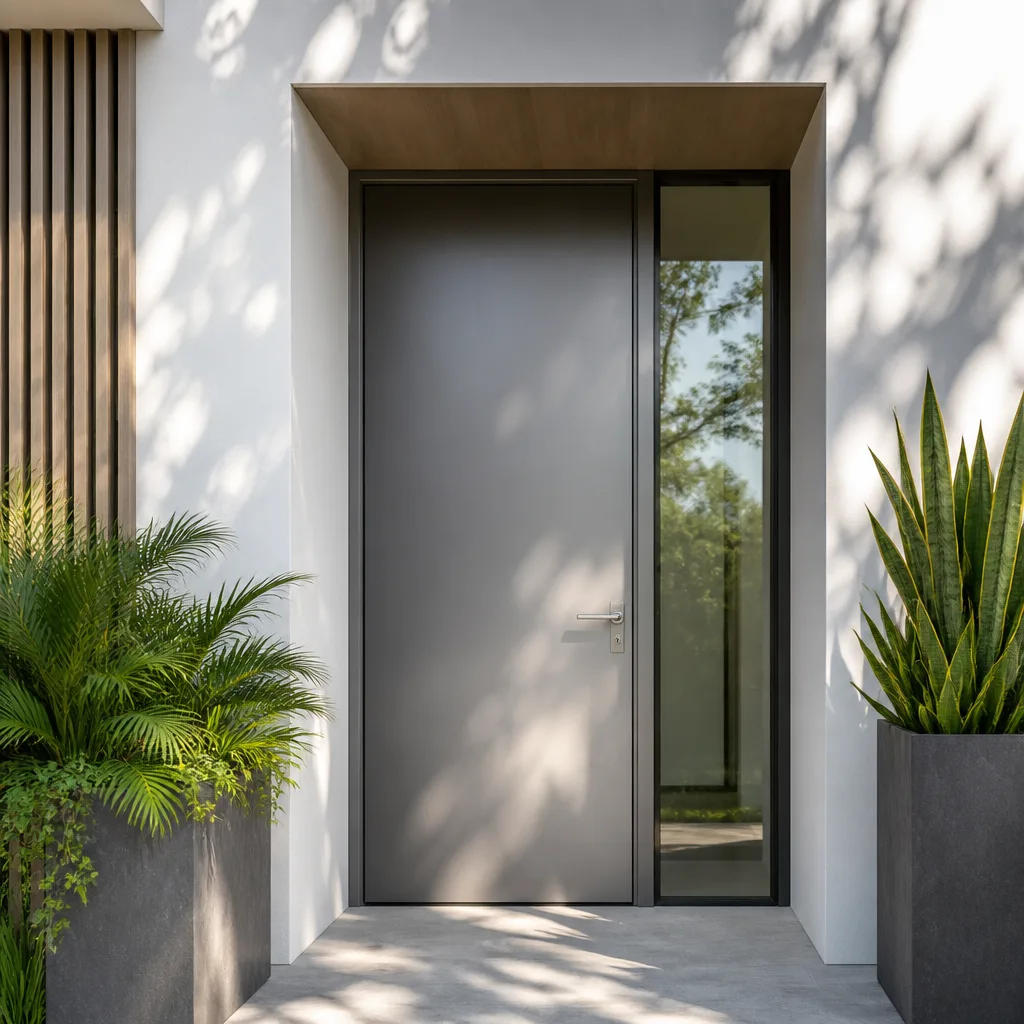
Call a licensed, insured contractor when the work involves any of the following: alteration of the weather barrier; installation of impact-rated products in the Wind-Borne Debris Region; structural modification of the opening; replacement of units in a home you intend to sell within five years; or any work where your homeowner’s insurance policy requires permit and inspection documentation. These are not skill thresholds. They are legal and risk thresholds that DIY cannot satisfy regardless of competence.
Sightline Windows & Doors Hobe Sound offers free estimates in Hobe Sound. Every estimate begins with a measured survey you keep, and the written price we provide is the price you pay. Our technicians are background-checked, uniformed, and identified by license number before arrival. Call (772) 362-5967 to schedule your free estimate.
Frequently Asked Questions
Professional installation of four standard impact-rated single-hung windows in Hobe Sound typically runs $4,200-$5,800 all-in, including permit, inspection, removal, disposal, documentation, and warranty. DIY material-only cost is $3,530-$5,010 but excludes the risk value of insurance compliance, warranty preservation, and documented installation. Call (772) 362-5967 for an exact quote on your specific openings - estimates are free.
No. Impact-rated window installation in Martin County’s Wind-Borne Debris Region requires a building permit under the Florida Building Code. The permit application must be signed by a licensed contractor or by you as owner-contractor, in which case you assume all contractor liability and must pass all inspections. An unpermitted impact window installation is not code-compliant and voids the product’s impact certification.
Your coverage depends on whether the installation was permitted, inspected, and code-compliant. If you self-installed without permits, or if the installation deviated from the manufacturer’s approved method, your carrier may deny wind or water intrusion claims based on construction defect. The policy language typically requires code-compliant construction. Documentation from a professional installation - permit record, inspection sign-off, photo record - is what satisfies this requirement.
In Hobe Sound’s coastal environment, we specify products from manufacturers with Florida Product Approval or Miami-Dade Notice of Acceptance for the specific wind zone and exposure. At Sightline, we work with eight verified lines including ES Windows for mid-tier vinyl impact products, ECO Window Systems for energy-efficient options, and Therma-Tru for fiberglass entry systems. Each is specified by what the opening requires, not by what is in stock. Window Replacement in Hobe Sound begins with a measured survey that determines the correct product tier.
Look for a permanent label on the glass or frame indicating compliance with ASTM E1886/E1996 or Miami-Dade TAS 201/202/203. The label includes the product approval number, the manufacturer, and the design pressure rating. If there is no label, the unit is not impact-rated. If you are uncertain, we offer a free second opinion on any written estimate, including evaluation of existing unit ratings.
Impact-rated glazing is part of a tested assembly. The frame, the glazing, the spacer, the sealant, and the attachment method all participate in the rating. Replacing only the glass with non-rated glazing voids the assembly. Replacing with rated glazing requires verification that the frame and attachment remain intact and that the new glazing is specified for the exact frame model. In most cases, full unit replacement is the only path to preserved certification.
A buyer’s inspection and their lender’s requirements will typically reveal unpermitted work. In Hobe Sound’s current market, buyers are scrutinizing permit history closely. You may be required to permit the work retroactively, which involves exposure of concealed elements, inspection, and potential correction. The cost is typically $2,500-$4,500, and the delay can jeopardize the sale. Professional installation with original permit documentation eliminates this exposure.
The Bottom Line
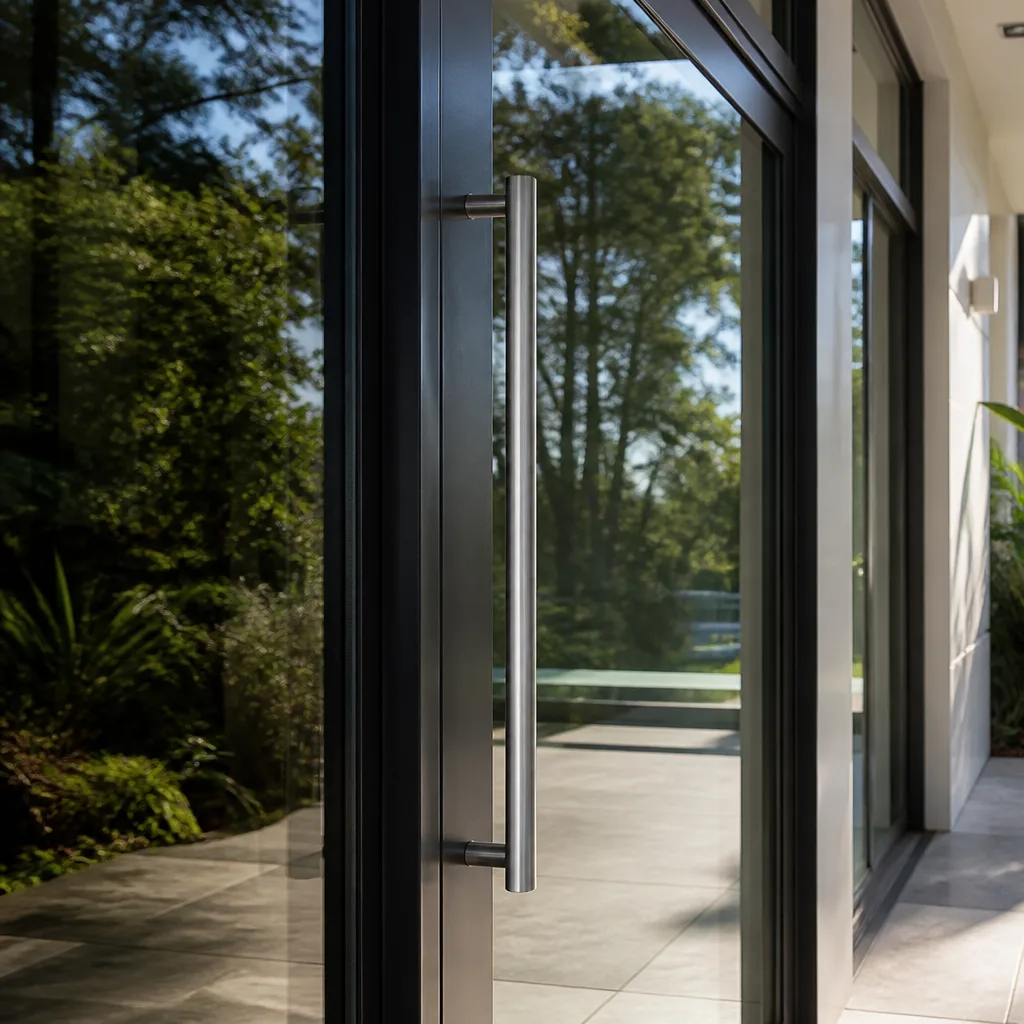
The DIY-versus-professional decision for windows and doors in Hobe Sound is settled not by measuring your skill with a level, but by understanding what Florida law, Martin County code, your insurance policy, and the product certification system actually require. DIY is legally available for narrow maintenance tasks: screen replacement, hardware swap, interior storm panel attachment. For everything that alters the weather barrier or installs impact-rated products in the Wind-Borne Debris Region, the owner-contractor path exists but transfers substantial liability to you with no risk mitigation. Professional installation from a licensed contractor produces the permits, inspections, documentation, and warranty preservation that make the installation insurable, sellable, and defensible. The price difference is modest. The documentation gap is permanent. Explore more guides & resources to protect your home investment.
Written by Sonia Raman, Owner at Sightline Windows & Doors Hobe Sound, serving Hobe Sound since 2012.
Six Reasons Homeowners Choose Sightline Windows & Doors Hobe Sound
Impact systems engineered to design pressures up to +/-100, matched to your wind zone - your openings hold when the storm arrives.
Low-E insulated impact glass from our manufacturer lines commonly cuts monthly cooling bills 20-30%.
Laminated impact glass shuts out up to 40% of outside noise - traffic, neighbors, weather.
Monitoring services run $30-90 a month. Laminated impact glass resists forced entry around the clock, with no subscription.
Florida homeowners average around 25% savings on the windstorm portion of their policy after protecting every opening - some homes qualify for more.
A full impact package upgrades curb appeal, buyer confidence and appraised value in one project.
Other Sightline Windows & Doors Hobe Sound Services