Last updated September 24, 2026
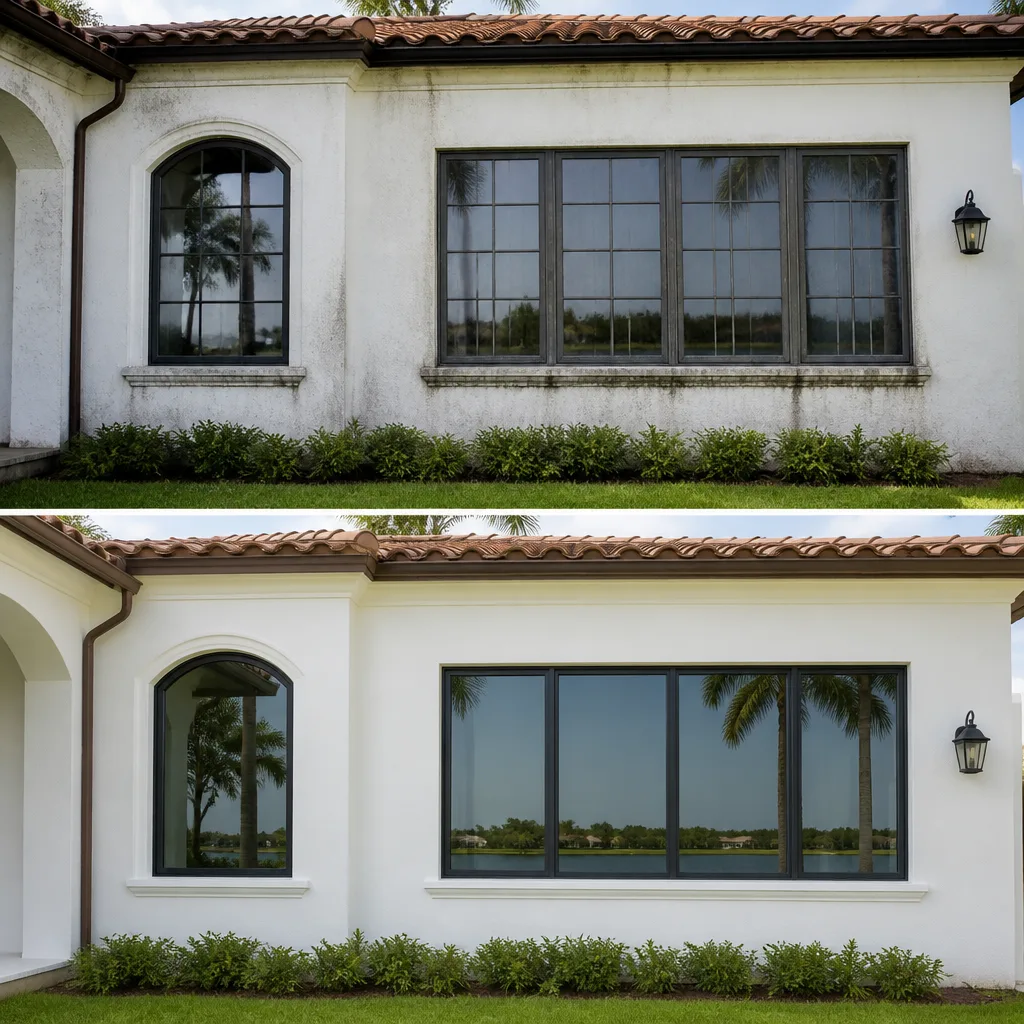
New windows and doors improve comfort, cut energy bills and add long-term value to your home. Sightline Windows & Doors Hobe Sound pairs proven product lines with our own installing crews for lasting performance - and a price we put in writing.
1. Choose your installer
The unit is half the job - the install is the other half. Our own background-checked crews measure, set, seal and insulate every opening, and they know the lines we quote inside and out because they install them every week.
2. Select the right products
Compare styles, materials and glass packages side by side until the fit is right for your rooms, your budget and your goals. The product-line comparison below is the place to start.
3. Prepare your home for install
Before install day we walk you through a short checklist - furniture pulled back, treatments down, a clear path to each opening - so install day is watch-it-happen, not scramble.
Compare the Lines We Quote
Every project is priced on the same lines, side by side - the price indicators below are relative, and your consultant shows exact numbers on your actual openings.
PGTThe line Florida homeowners arrive naming - the most Miami-Dade certifications in the industry$$$
- More Miami-Dade NOA certifications than any other line we quote
- WinGuard, EnergyVue and ClassicVue Max systems built for every wind zone
- 99% on-time delivery keeps your install date on the calendar
CGIThe heavyweight impact line$$$$$
- Large-missile impact ratings for the strictest wind zones
- Architectural-grade aluminum with commercial-depth frames
- The line we quote when protection is the whole point
CWSThe Florida value pick$$
- Vinyl systems built in Florida for Florida codes
- Strong energy packages at the friendliest price point
- The smart start for whole-home replacements on a budget
ESWSlim lines, big glass$$$$
- Narrow-sightline aluminum for modern elevations
- Oversized openings and floor-to-ceiling glass
- Impact-rated without the bunker look
ECOThe aluminum impact workhorse$$$
- Miami-built aluminum impact systems
- A strong price-to-protection ratio for coastal homes
- Proven inventory lines with short lead times
Windows & Doors Permits, Codes & Inspections in FL: What You Need to Know
An unpermitted window replacement in Florida does not expire quietly. It shows up as an open or missing permit on a title search, can block a home sale, and in coastal counties may require removal and reinstallation at the homeowner’s cost to satisfy a retroactive inspection. In Hobe Sound and across Martin County, we’ve seen this scenario more than once: a homeowner calls us to quote a replacement, and our measured survey reveals a previous install with no permit record, no product approval documentation, and no inspection sign-off. The fix costs double what the original job should have. This guide-along with our more guides & resources-explains what Florida law actually requires, how Martin County’s amendments differ from statewide practice, and how to protect your property value from the start.
Quick Answer
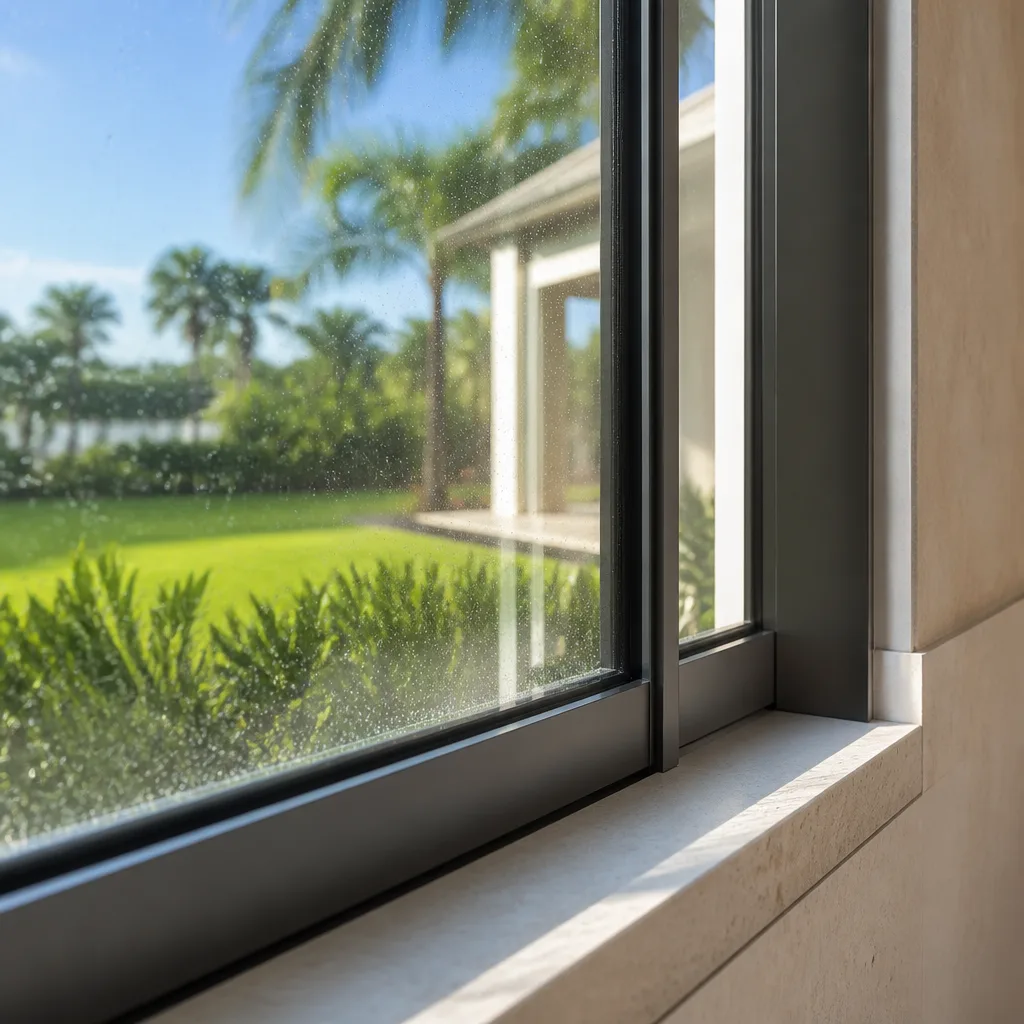
In Florida, most window and door replacements require a building permit under the Florida Building Code (FBC), Section 105.1. Martin County administers its own amendments and does not recognize informal “like-for-like” exemptions for impact-rated products or changes to egress dimensions. A proper installation requires a NOA-verified product, two inspections (rough and final), and a closed permit record before the work is legally complete.
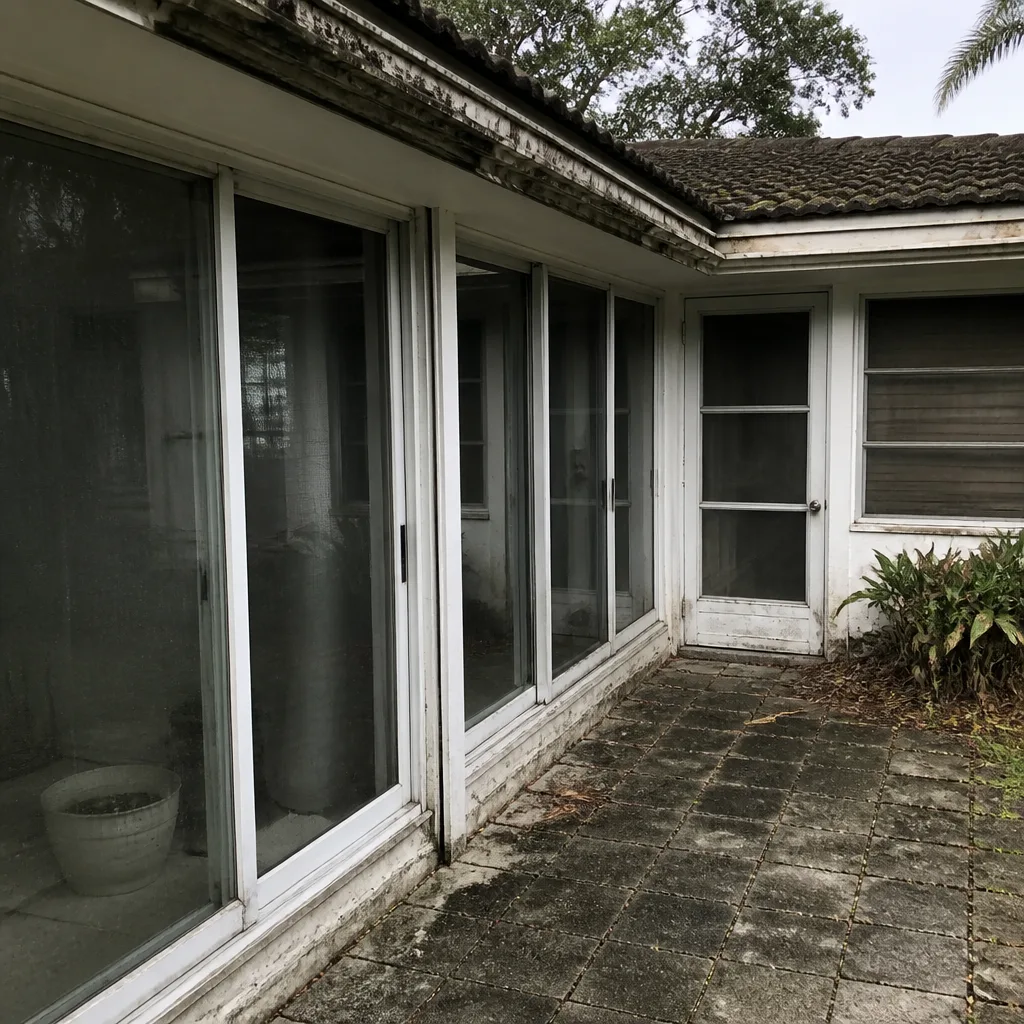 Before
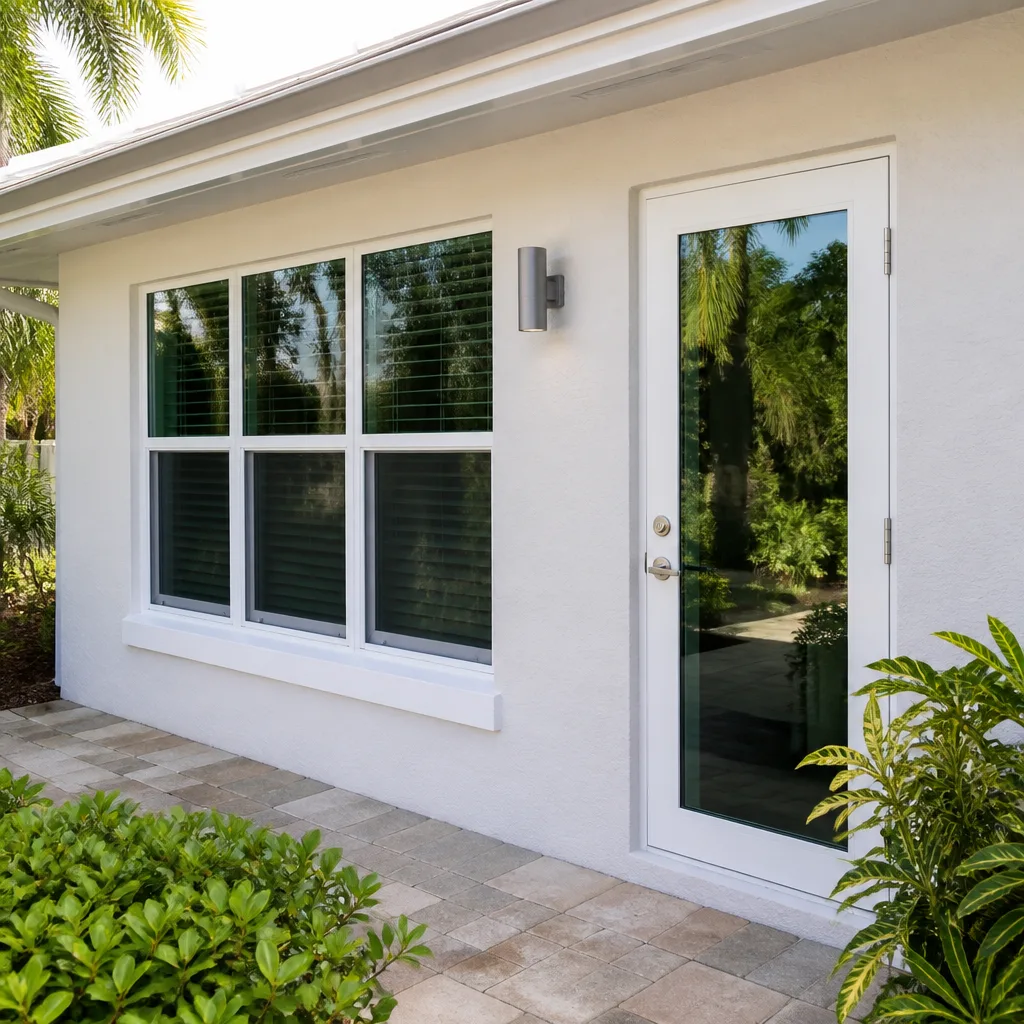 After
AfterTable of Contents
- When Permits Are Required in Martin County
- Product Approval and the NOA: What Inspectors Actually Verify
- The Martin County Permit Process: Step by Step
- What Inspectors Check at Rough and Final Inspection
- Handling Your Permit Record After Final Approval
- Impact-Rated Requirements in Coastal Martin County
- Permit Costs and Realistic Timelines
- Common Mistakes to Avoid
- When to Call a Professional
- Frequently Asked Questions
- The Bottom Line
When Permits Are Required in Martin County
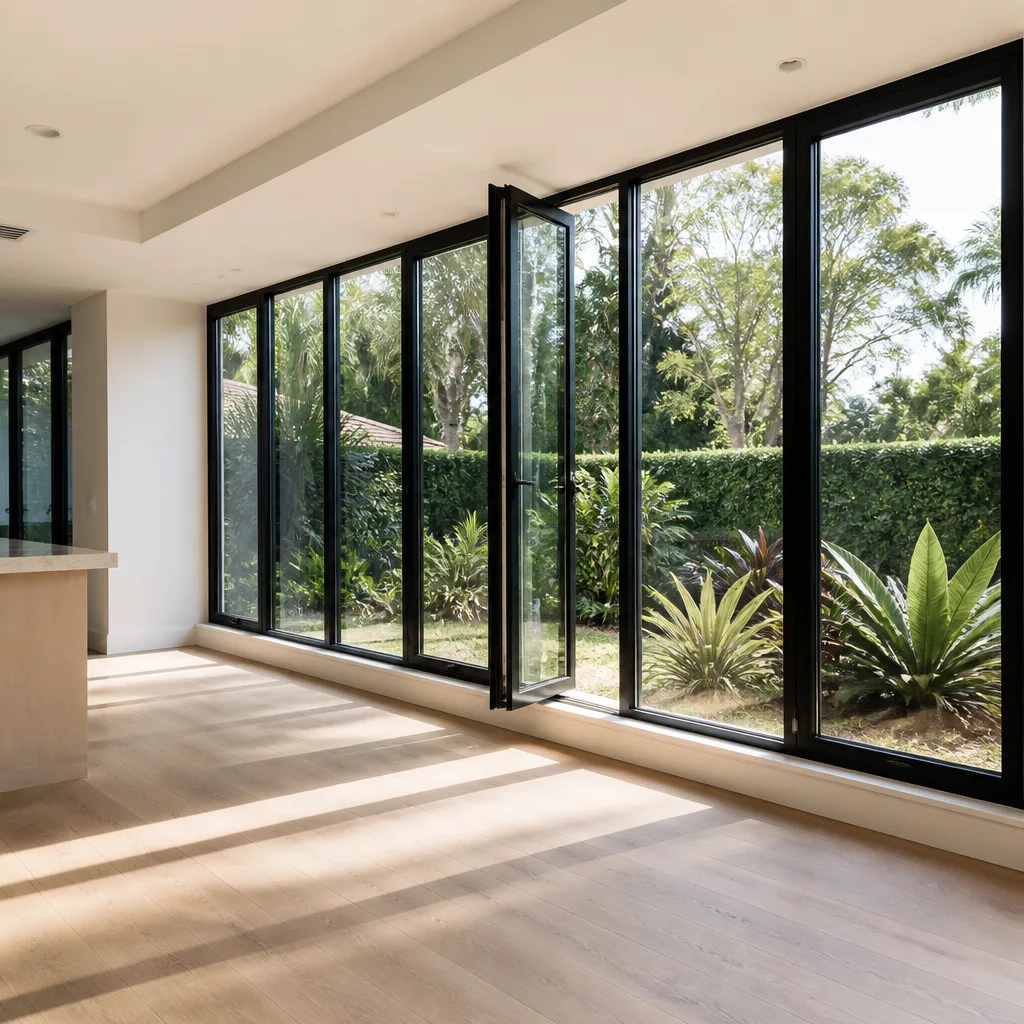
Florida Building Code Section 105.1 states that a building permit is required for “the installation, repair, replacement, or alteration” of any exterior window or door. This is the baseline. Martin County’s local amendments add specificity that matters for Hobe Sound homeowners.
The county does not grant blanket exemptions for “like-for-like” replacements when any of these conditions apply:
- The existing unit is non-impact-rated and the replacement is impact-rated (or vice versa)
- The rough opening dimensions change by more than 1/2 inch in any direction
- The sill height changes, affecting egress compliance per FBC Section 1030
- The product requires a different anchoring or fastening schedule
- The installation occurs in a designated flood zone with specific opening protection requirements
Where some inland Florida counties allow homeowners to self-certify a direct replacement, Martin County requires permit application for nearly all window and door work on residential structures. The only routine exception: glass-only replacement within an existing sash or frame, provided the frame itself is not modified and the glazing meets original specifications. Even this exception disappears if the original unit lacked impact rating and the home sits in a wind-borne debris region.
Hobe Sound’s location on the Atlantic coast places most properties within the High-Velocity Hurricane Zone (HVHZ) considerations that extend through Martin County. The dividing line is not intuitive. Properties east of U.S. 1 often face stricter product approval requirements than those west of the highway, and the exact wind speed contour for your address determines whether standard FBC compliance suffices or whether Miami-Dade HVHZ protocols apply. We’ve measured openings in neighborhoods like Zeus Park and Gomez where the wind speed designation surprised the homeowner.
The permit application itself requires specific documentation: a site plan showing the location of each opening, window and door schedules with manufacturer and model numbers, and proof of product approval. Missing any of these triggers a correction notice and restarts the review clock.
Product Approval and the NOA: What Inspectors Actually Verify
Every window or door installed in Martin County must carry a valid Notice of Acceptance (NOA) from the Florida Department of Business and Professional Regulation or a Miami-Dade County NOA for HVHZ applications. This is not a suggestion. It is the document inspectors compare against the physical label on your installed unit.
An NOA is a product-specific engineering evaluation. It states that a particular window or door model, manufactured to exact specifications, has passed testing for structural load, water infiltration, and forced entry. For impact-rated products, the NOA also documents large and small missile test results. The NOA number, revision date, and product description must match the unit installed. A “substantially similar” product is not acceptable.
Here’s how to verify an NOA yourself:
- Obtain the NOA number from your contractor or the product label. It typically formats as a 6-8 digit number with a revision suffix (e.g., NOA 18-0723.04).
- Visit the Miami-Dade County Product Control Search at miamidade.gov/productcontrol (for HVHZ products) or the Florida Product Approval website at floridabuilding.org/pr/pr_app_search.aspx.
- Enter the NOA number and confirm the status reads “Active” or “Current.” Expired or superseded NOAs invalidate the installation.
- Cross-check the product description: dimensions, glazing thickness, frame material, and anchoring method must match your installed unit exactly.
- Print or save the verification screen. Martin County inspectors may request this documentation at final inspection.
We specify products from PGT, CGI, CWS, and other verified manufacturer lines precisely because their NOA documentation is current, searchable, and complete. A contractor who cannot produce an NOA number before installation is preparing you for inspection failure.
The product label itself matters. Inspectors in Martin County check that the label is legible, permanently affixed, and located where the NOA specifies (typically on the frame edge or sash rail). Labels painted over, removed for finishing, or installed on the wrong side of the unit have caused final inspection failures we’ve witnessed in Hobe Sound and Stuart. The label is evidence; without it, the inspector cannot confirm the product matches the permit application.
The Martin County Permit Process: Step by Step
Martin County Building Division processes permits through its online portal and in-person at the Stuart service center. The timeline below reflects actual calendar days based on our experience with installations across Hobe Sound, Stuart, Jensen Beach, and Palm City. Business-day estimates from the county are optimistic; plan for the longer end of each range.
Step 1: Application Submission (Day 1)
Submit through the Martin County ePermitting system or in person. Required documents include:
- Completed building permit application
- Property survey or site plan with opening locations marked
- Window/door schedule with manufacturer, model, dimensions, and NOA numbers
- Contractor’s state license and insurance documentation
- Homeowner’s signature authorizing the work
Application fees are due at submission. For a typical residential window and door replacement, expect $150-$400 depending on the scope and valuation.
Step 2: Plan Review (Days 3-14)
Martin County conducts a technical review of product approvals, structural calculations, and code compliance. Simple replacements with standard products and no structural changes move faster. Custom units, non-standard anchoring, or flood zone considerations extend review. Corrections are issued as “plan review comments” that must be addressed before the permit releases.
Step 3: Permit Issuance and Work Commencement (Days 14-17)
Once issued, the permit must be posted on-site before work begins. In Hobe Sound, we photograph the posted permit as part of our documented evidence standard. Work without a posted permit is subject to stop-work orders and doubled fees.
Step 4: Rough Inspection (Schedule after framing and flashing, before interior trim)
Call for inspection when openings are prepared, products are set but not fully trimmed, and flashing is visible. The inspector examines structural attachment, weather barrier integration, and product label accessibility. Pass: proceed to final. Fail: corrections required, re-inspection fee $50-$100, reschedule.
Step 5: Final Inspection (Schedule after completion)
All trim, hardware, and finishes must be complete. The inspector verifies operation, confirms the product label matches the NOA, and checks that rough inspection corrections were addressed. Pass: permit status updates to “Final Approved.” Fail: corrections and re-inspection.
Step 6: Record Retention (Ongoing)
Martin County maintains permit records indefinitely. The homeowner receives a copy of the final approval. Store this with your property records; it is required for insurance claims, resale, and 4-point inspections.
Total realistic timeline from application to final approval: 21-45 calendar days for straightforward replacements, 45-75 days for complex or corrected applications. Contractors promising faster completion are either working without permits or have not experienced Martin County’s actual review process. For a full overview of the process, read The Complete Guide to Windows & Doors in Hobe Sound.
What Inspectors Check at Rough and Final Inspection
Martin County inspectors follow a specific checklist derived from FBC Chapter 14 and local amendments. Understanding their pass/fail criteria prevents surprises and rework costs.
Rough Inspection Criteria
- Buck attachment: The framing surrounding the window or door opening must be structurally sound, plumb, and square. Inspectors measure diagonals; variance exceeding 1/4 inch across a standard opening triggers correction. In Hobe Sound’s humid climate, we’ve found wood bucks deteriorated behind apparently sound siding. The inspector will note this and require replacement before the unit is set.
- Flashing method: Pan flashing at sills, head flashing with end dams, and jamb flashing must be continuous and lapped correctly per FBC 1405.4. The inspector checks sequence: weather barrier, then flashing, then window, then sealant. Reversed sequence is an automatic fail.
- Anchor spacing and type: The NOA specifies anchor type, diameter, embedment depth, and spacing. Common requirements: 3/16-inch diameter minimum, embedded 1-1/2 inches into structural framing, spaced no more than 24 inches on center. Inspectors count anchors and measure embedment on exposed fasteners. Too few anchors, wrong type, or shallow embedment fails.
- Product label legibility: The temporary or permanent label must be visible and readable. If the label is on the sash, the sash must be operable at inspection.
- Shim placement: Shims must support the unit at structural points, not just center or ends. Inspectors check that shims do not compress the frame or create twist.
Final Inspection Criteria
- Label verification against NOA: The inspector reads the product label and confirms it matches the NOA on file. Discrepancies in model number, glazing option, or frame color (if specified in the NOA) fail.
- Operation and hardware: Sashes must open, close, and lock smoothly. Multi-point locks must engage all points. Screens, if part of the approved product, must be present.
- Sealant and finish: Interior and exterior sealant must be continuous, tooled, and compatible with frame materials. Gaps, voids, or incorrect sealant type fail.
- Trim and cladding integration: Exterior trim must cover flashing edges and maintain drainage paths. Interior trim must not impede operation or cover weep holes.
- Energy compliance documentation: For replacement windows, inspectors verify that U-factor and SHGC ratings meet or exceed FBC Table R402.1.2 requirements for Martin County’s climate zone. The NFRC label or manufacturer’s certificate suffices.
We’ve documented inspection outcomes across hundreds of Hobe Sound installations. The most common failure at rough: inadequate or missing head flashing. The most common failure at final: product label obscured by paint or trim. Both are preventable with disciplined installation protocol.
Handling Your Permit Record After Final Approval
The permit record is a permanent legal document attached to your property. How you manage it affects insurance, resale, and future renovations.
Storage and Access
Retain the final approved permit, inspection sign-off cards, and product documentation (NOA copies, NFRC labels, warranty cards) in a fireproof location with your property deed and insurance policies. Digital backup is prudent; scan at 300 DPI minimum. Martin County’s online records are reliable but not infallible; we’ve encountered database gaps for permits issued before 2015.
Homeowner’s Insurance Implications
Insurance underwriters increasingly request permit verification for window and door replacements, particularly in coastal counties. An unpermitted impact-rated installation may be treated as non-compliant, affecting wind mitigation credits. The uniform Wind Mitigation Inspection Form (OIR-B1-1802) requires the inspector to verify that opening protection meets FBC standards; without permit documentation, the inspector may downgrade the rating, increasing premiums.
After Hurricane Ian, several Hobe Sound homeowners discovered that insurers denied claims for water intrusion at improperly flashed replacements. The absence of a permitted, inspected installation complicated their coverage. Permits are not bureaucratic ornament; they are evidence of compliance that insurers can reference.
4-Point Inspection Effects
The 4-point inspection required for older homes and new policy bindings examines roof, electrical, plumbing, and HVAC. But the inspector also notes visible window and door conditions. A permitted, recently inspected replacement signals maintained, code-compliant construction. An unpermitted replacement raises questions about who performed the work and to what standard. We’ve been called to provide documentation for 4-point inspectors who flagged our prior installations; because every Sightline job carries a permit record and photo evidence, resolution is immediate.
Resale and Title Transfer
Florida title searches include permit history. Open permits, failed inspections, or missing final approvals appear as clouds on title. In Martin County’s active resale market, this can delay closing or require escrow holdbacks for correction. A closed permit with final approval eliminates this friction. For Hobe Sound properties in the $500,000+ range common to neighborhoods near Jonathan Dickinson State Park, buyers and their lenders scrutinize permit records closely.
Impact-Rated Requirements in Coastal Martin County
Hobe Sound’s coastal position places most properties within wind-borne debris regions where impact-rated windows or shutters are mandatory under FBC Section 1609.1.2. Understanding the exact requirement prevents costly mis specification.
The wind-borne debris region is defined as areas within one mile of the coastal mean high water line where the basic wind speed is 130 mph or greater, or any location where the wind speed is 140 mph or greater. Martin County’s wind speed map shows 150 mph contours for eastern Hobe Sound, dropping to 140 mph inland. This matters because product approval testing differs: 150 mph zones require large missile impact resistance (9-pound 2×4 at 50 feet per second) and cyclic pressure loading that exceeds standard Large Missile D requirements.
Products from PGT and CGI carry NOAs covering Martin County’s full wind speed range. When we specify these lines for Hobe Sound installations, we verify the exact NOA revision matches the property’s wind speed contour, not just the general county listing. A product approved for 140 mph but installed in a 150 mph zone fails inspection.
The alternative to impact-rated windows is code-compliant shutters, installed and permitted separately. Most Hobe Sound homeowners replacing windows choose impact-rated units for the operational convenience, but the permit path differs: shutter permits are mechanical permits, not building permits, with separate inspection protocols. Mixing the two on the same project requires coordination to avoid conflicting inspection schedules.
Flood zone designation adds another layer. Properties in AE zones with base flood elevations above finished floor must demonstrate that replacement windows do not reduce the opening’s ability to equalize hydrostatic pressure, or must maintain proper venting. This rarely affects standard above-grade windows but can complicate basement or lower-level installations in Hobe Sound’s lower-lying areas near the Loxahatchee River.
Permit Costs and Realistic Timelines
Below are the actual costs and timelines we encounter for window installation in Hobe Sound and surrounding Martin County. These are not estimates; they are documented ranges from permits we’ve pulled and managed.
| Item | Cost Range | Timeline |
|---|---|---|
| Building permit application (residential window/door replacement, 1-5 openings) | $150 – $275 | 3-10 days review |
| Building permit application (6-15 openings, or custom products) | $275 – $400 | 7-14 days review |
| Plan review correction response | $0 (no additional fee) | 3-7 days additional |
| Rough inspection scheduling (after permit release) | $0 (included) | 1-3 days call-ahead |
| Re-inspection after failure | $50 – $100 | 2-5 days reschedule |
| Final inspection scheduling | $0 (included) | 1-3 days call-ahead |
| Permit record copy (if lost) | $15 – $25 | Same day (online) or 3-5 days (mailed) |
| Total project timeline: simple replacement | - | 21-35 calendar days |
| Total project timeline: complex or corrected | - | 45-75 calendar days |
These timelines assume the contractor manages the permit process. Homeowner-managed permits add coordination overhead that typically extends timelines by 25-40%. We include permit management in our standard scope; the measured survey, permit application, inspection scheduling, and final approval documentation are part of our single-document process under Haven Clause 1.
Hidden costs to anticipate: if your property has an open permit from prior work, Martin County requires closure before issuing new permits. Open permit resolution can add $200-$600 in fees and weeks of delay. We check permit history during our initial survey to flag this condition.
Common Mistakes to Avoid
- Assuming “like-for-like” exempts you from permits. Martin County does not recognize informal like-for-like exemptions for impact-rated products or any change to egress dimensions. The exemption exists in some Florida counties; it does not apply here. We’ve corrected installations in Hobe Sound’s Zeus Park where this assumption cost the homeowner $3,000 in retroactive permitting and re-inspection.
- Accepting a product without verifying the NOA. A contractor who cannot produce an NOA number before installation is preparing you for inspection failure. We verify every product’s NOA status during specification and document the verification in the customer’s file.
- Covering the product label before final inspection. Paint, trim, or protective film applied over the label obscures the information inspectors need. Final inspection fails, trim must be removed or the label exposed, and re-inspection is scheduled. Our crews photograph label placement before any finish work begins.
- Neglecting to call for rough inspection. Skipping rough inspection and proceeding directly to final is a common shortcut. If discovered, Martin County requires opening of finished work to verify concealed conditions. The cost of drywall repair, trim replacement, and re-inspection exceeds the original permit fee many times over.
- Failing to close the permit record. A passed final inspection does not automatically close the permit in all cases. Confirm the online record shows “Final Approved” status. We’ve encountered properties in Palm City and Jensen Beach where the inspector signed the card but the office entry lagged, creating an apparent open permit at resale.
- Using a product approved for inland wind speeds on a coastal property. The 150 mph contour in eastern Hobe Sound requires HVHZ-rated products with Miami-Dade NOAs. Standard FBC-approved products without HVHZ testing fail inspection in these zones. We verify wind speed by property address, not by general neighborhood assumption.
- Discarding documentation after “completion.” The permit record, inspection cards, and product approvals are permanent property records. Loss complicates insurance claims, resale, and future permitting. We provide customers with a complete documentation packet and retain our own copies under Haven Clause 4 (Evidence on Every Job).
When to Call a Professional
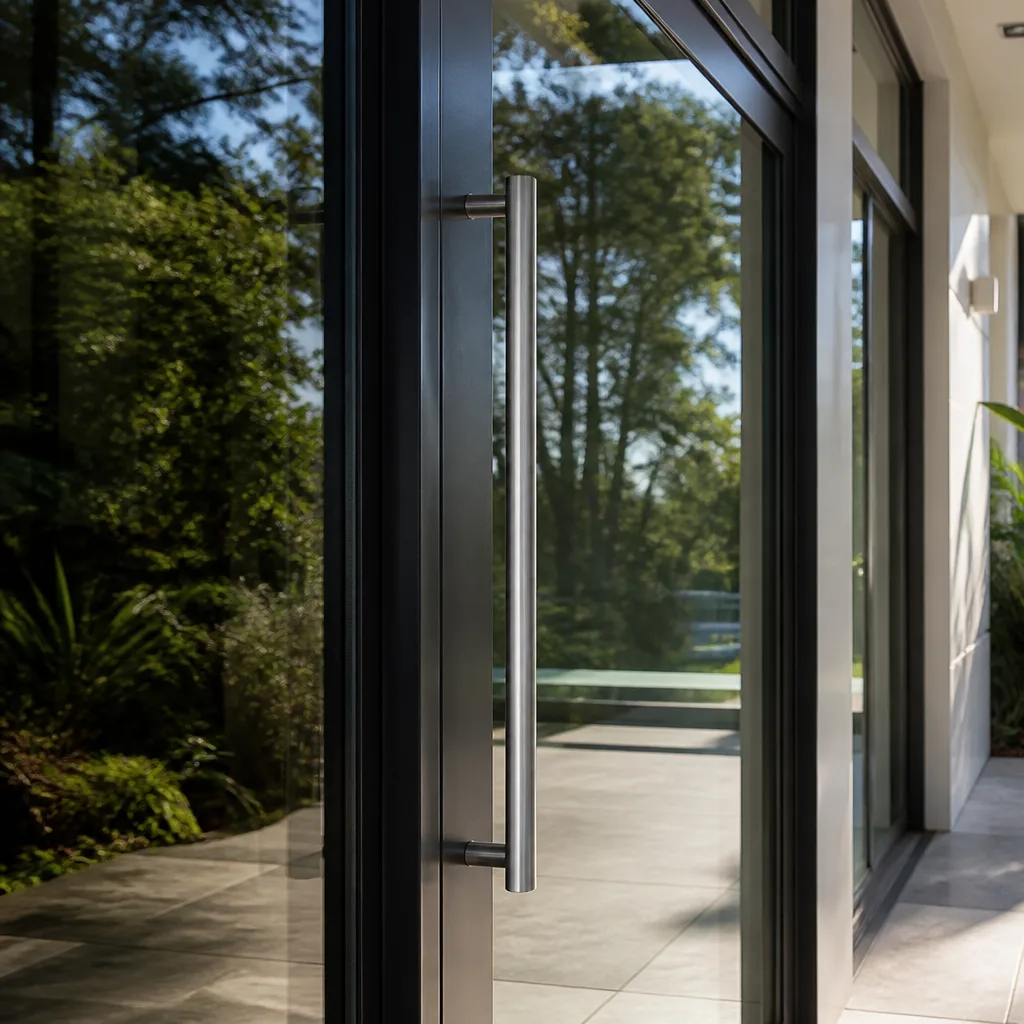
Call a licensed contractor when any of these conditions apply: your property is in a wind-borne debris region (most of Hobe Sound); the replacement involves impact-rated products; the rough opening requires modification; the existing installation shows water damage or structural deterioration; or you need to verify that a previous replacement was properly permitted and inspected. Unsure whether to tackle work yourself? Review DIY vs Professional Windows & Doors: The Hobe Sound Homeowner’s Decision Guide.
Sightline Windows & Doors Hobe Sound offers free estimates in Hobe Sound and across Martin County. Every estimate includes a measured survey you keep, written pricing that matches the survey document, and verification of your property’s permit history and wind speed designation. Our technicians are background-checked, uniformed, and identified by license number before arrival. Call (772) 362-5967 to schedule your free estimate.
Frequently Asked Questions
Yes, nearly all window replacements in Hobe Sound require a Martin County building permit under Florida Building Code Section 105.1. The only routine exception is glass-only replacement within an existing frame with no modification to the frame, anchoring, or dimensions. Call (772) 362-5967 for a free estimate and permit assessment.
Permit fees range from $150 for simple replacements of 1-5 openings to $400 for larger projects with custom products. Re-inspection fees after failure are $50-$100. We include permit costs in our written quotes with no change orders. Call (772) 362-5967 for an exact quote on your project.
An NOA (Notice of Acceptance) is a product-specific engineering document proving a window or door model has passed required testing for structural load, water infiltration, and impact resistance. Martin County inspectors compare the NOA against the physical label on your installed unit; mismatches or expired NOAs cause immediate inspection failure. We verify NOA status for every product we specify.
Realistic timeline is 21-35 calendar days for straightforward replacements, 45-75 days for complex projects or those requiring corrections. This includes application, plan review, rough inspection, final inspection, and record closure. We manage the full timeline as part of our standard scope.
Yes. Unpermitted work appears as an open or missing permit on title searches, can block closing, and may require retroactive permitting with removal and reinstallation to satisfy inspection. In Hobe Sound’s active market, buyers and lenders scrutinize permit records closely. Proper permitting protects your sale price and timeline.
We pull and manage all permits as part of our standard installation scope. This includes application, plan review coordination, inspection scheduling, and final approval documentation. You receive a complete permit packet with your project records. Call (772) 362-5967 to discuss your project and our permit management process.
The Bottom Line

Florida’s permit and inspection system for windows and doors is not decorative. In Martin County, it is actively enforced, permanently recorded, and increasingly relevant to insurance and resale. The specific local requirements - Martin County’s amendments to the Florida Building Code, the exact wind speed contour for your Hobe Sound address, the NOA verification protocol, and the two-inspection sequence - exist to ensure that installed products perform when tested by actual weather. Skipping or misunderstanding any step creates exposure that compounds over time: failed inspection, uninsurable installation, clouded title, or retroactive removal. The prevention is straightforward: permit before work, verify the product approval, pass both inspections, and retain the documentation. At Sightline, this sequence is built into every engagement under the Haven Standard, with written pricing before work starts and a documented photo record when it finishes.
Written by Sonia Raman, Owner at Sightline Windows & Doors Hobe Sound, serving Hobe Sound since 2012.
Six Reasons Homeowners Choose Sightline Windows & Doors Hobe Sound
Impact systems engineered to design pressures up to +/-100, matched to your wind zone - your openings hold when the storm arrives.
Low-E insulated impact glass from our manufacturer lines commonly cuts monthly cooling bills 20-30%.
Laminated impact glass shuts out up to 40% of outside noise - traffic, neighbors, weather.
Monitoring services run $30-90 a month. Laminated impact glass resists forced entry around the clock, with no subscription.
Florida homeowners average around 25% savings on the windstorm portion of their policy after protecting every opening - some homes qualify for more.
A full impact package upgrades curb appeal, buyer confidence and appraised value in one project.
Other Sightline Windows & Doors Hobe Sound Services